Does It Snow in Lake Tahoe? Heck Yes!


WONDERING, DOES IT SNOW IN LAKE TAHOE?
You’ve landed in the right place because I live in California.
And yes! It does snow in Lake Tahoe. A lot.
Lake Tahoe is a gorgeous California destination. It’s an alpine lake located at the state borders of California and Nevada. Tahoe (as locals call it) is a frequent destination for Californians for its fantastic skiing in winter at the many resorts and for its water activities on the lake during the summer.
Lake Tahoe gets snow every winter, making it a popular ski destination. Let’s get to answering more questions around the question: Does it snow in Lake Tahoe?
No time to read this whole article? No worries!
Use the table of contents to jump to what most interests you ⤵️
Where Is Lake Tahoe?
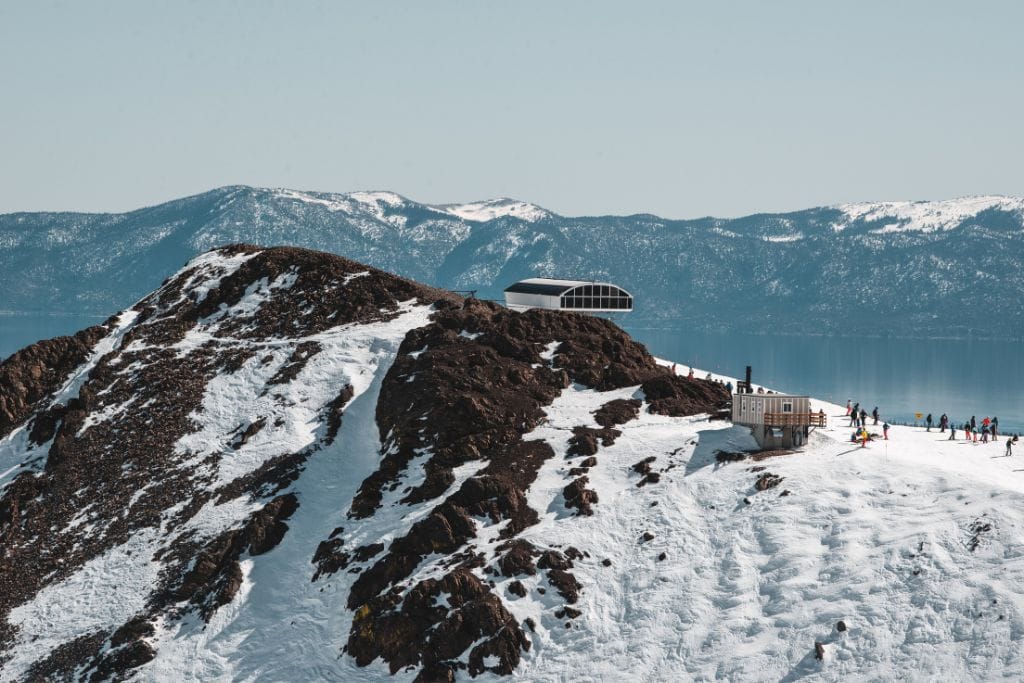
Lake Tahoe, known for its stunning natural beauty, attracts visitors year-round who seek outdoor recreational activities such as skiing, snowboarding, and just enjoying the snowy landscapes.
Located in the Sierra Nevada Mountains, this freshwater lake encompasses the states of California and Nevada, giving it a unique climate that experiences considerable snowfall.
But when exactly does it snow in Lake Tahoe, and what can you expect during your winter visit?
When Does it Snow in Lake Tahoe
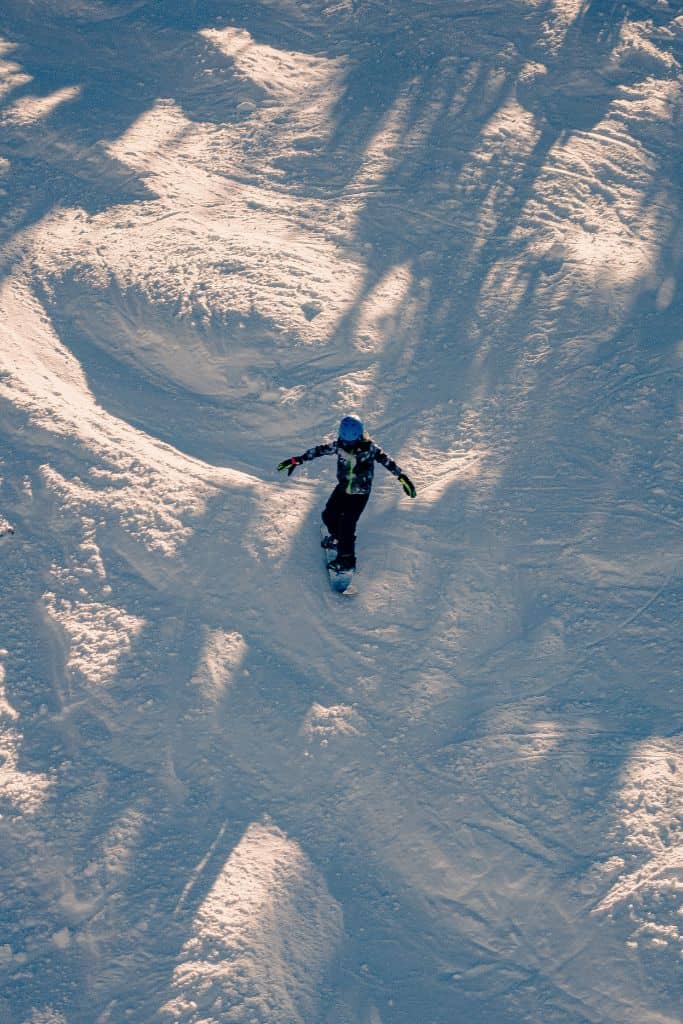
Lake Tahoe is a popular destination, and snow is integral to the experience.
As you plan your trip, knowing when to expect snowfall in this beautiful area is helpful.
Does it snow in Lake Tahoe in November?
Yes! It snows in Lake Tahoe in November. Starting around November, you can expect snow to fall in Lake Tahoe. The average snowfall in November is 15.5″ (39.37 cm).
Starting around November, you can expect snow to fall in Lake Tahoe.
In some cases, snow might even arrive as early as October. This early-season snowfall continues to gain momentum.
Does it snow in Lake Tahoe in December?
Yes, by December, you’ll experience heightened winter conditions that usually last until mid-March.
During these months, Lake Tahoe receives the heaviest snowfall, making December through March ideal times to visit for winter sports enthusiasts. The average snowfall in December is 32.2″ (89.40 cm).
Lake Tahoe is known for its unpredictable weather, so be prepared for surprises.
For instance, there could be a “Miracle March,” where snowfall is relatively scarce until March, or a “Febru-buried” with over thirty feet of snow in just one month.
The flexibility in snow patterns is why the area remains astonishing and incredible.
Snowfall in January in Lake Tahoe
Winter in Lake Tahoe begins around mid-December, with January being the coldest month and offering a real winter wonderland experience.
The temperature can reach around 12.5 °C (54.5 °F) but an drop considerably lower.
You’ll find the average humidity to be around 67%. Snowfall in January is quite heavy, setting the stage for winter sports and activities. The average snowfall in January is 45.9” (116.58 cm).
Snowfall in February in Lake Tahoe
February maintains the frigid conditions, experiencing heavy snowfall throughout the month. On average, Lake Tahoe records a snow accumulation of 40.4 inches during this time.
This makes it one of the best months for skiing and snowboarding enthusiasts to visit with an average snowfall in February at 36.5” (92.71 cm).
How Much Snow Does Lake Tahoe Get
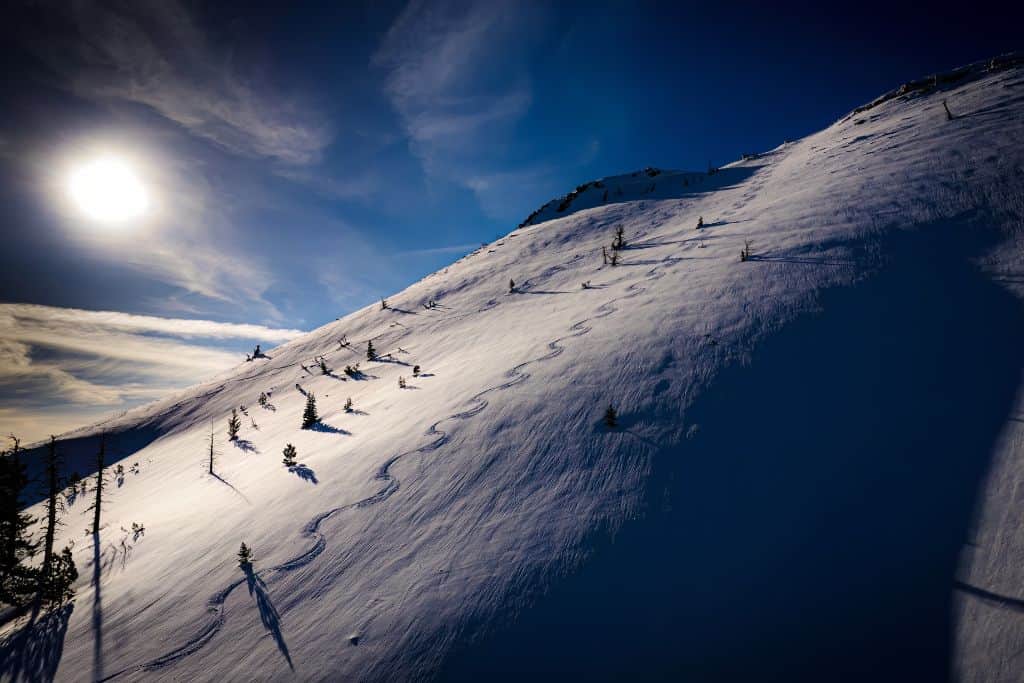
Throughout the year, Lake Tahoe witnesses snow over 39.2 days, accumulating an impressive average of 190.7 inches (4843.78 mm).
So, while the most reliable snowfall occurs between November and March, don’t be too shocked if you encounter the occasional snowflake outside these months.
In summary, if you want to catch some snow in Lake Tahoe, your best bet is to visit between November and March.
January sees the most snowfall at an average of 45.9″ (116.58 cm) and February sees an average snowfall of 36.5″ (92.71 cm).
Does it snow in Lake Tahoe in March?
As the snow begins to subside slowly, March sees a slight increase in temperature. Nevertheless, you can still expect *some* snow this month, especially at higher elevations.

Does it snow in Lake Tahoe in April?
It can. April comes with slightly warmer temperatures, with an average low of 27°F (-2.8°C) and an average high of 50.4°F (10.2°C).
Snowfall starts to decrease this month, averaging around 15.91 feet (404 mm), and daylight increases to an average of 13 hours and 16 minutes.
Average Temperatures in Lake Tahoe
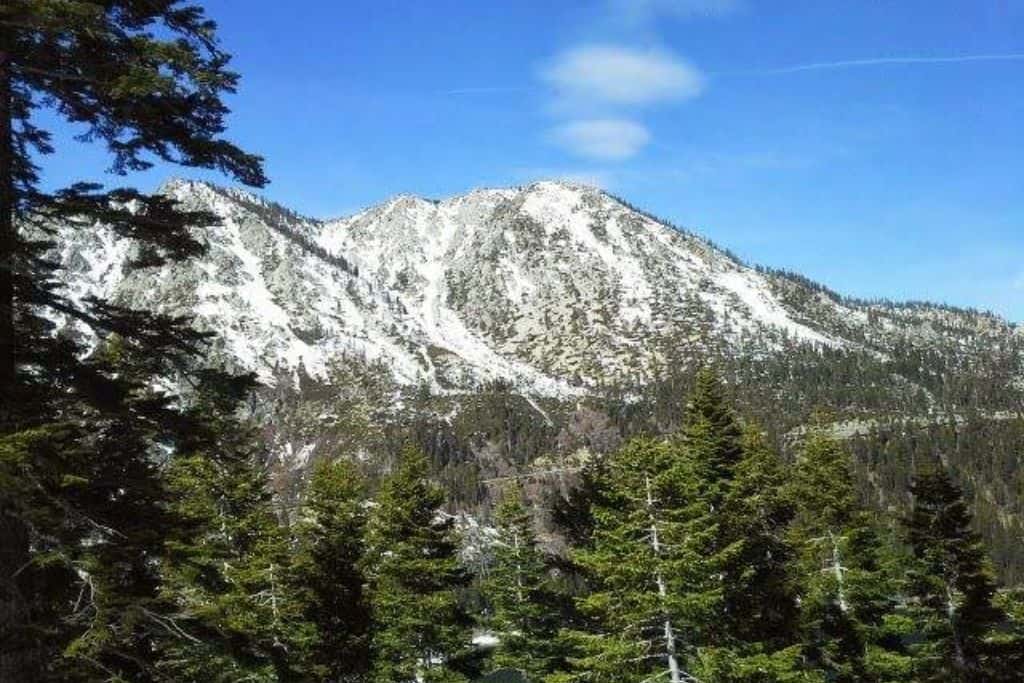
The typical temperature range at Lake Tahoe spans from 61°F (16.4°C) to 42°F (5.8°C), with the potential to descend to 35°F (2°C) or even lower if the nights turn particularly chilly.
During winter, an average temperature of 32°F (0°C) can be expected in Lake Tahoe.
However, considering the historical weather data of Lake Tahoe, it plummeted to -33°C or 27°F in 1989, marking the most frigid temperature ever recorded in the region.
Throughout November, December, and January, temperature fluctuations can span from 40°F (4.6°C) to 20°F (-6.2°C). Notably, January stands out as the coldest month of the year in Lake Tahoe.
Moving into the period between February and March, the average temperature typically varies between 38°F (3.7°C) and 19°F (-7.2°C). Although still chilly, the temperatures are milder than in the preceding months.
Not sure where to go in California? Find the best region for your California vacation by taking this Quiz.
![A photo of a pool with a box that reads, "Find our which regions of California is a tailored fit for your personality. [Quiz]."](https://cagirltravels.com/wp-content/uploads/2023/08/Find-Out-Which-Regions-of-California-Is-a-Tailored-Fit-for-Your-Personality-Quiz.jpg)
Best Ski Resorts in Lake Tahoe

During winter, Lake Tahoe transforms into a snowy wonderland, offering you a fantastic skiing and snowboarding experience.
On average, Lake Tahoe sees between 210 and 220 inches of snow yearly, making it an ideal destination for winter sports enthusiasts.
The area has several popular ski resorts, each with unique charm and appeal.
Diamond Peak, Kirkwood, Squaw Valley (now Palisades Tahoe), Northstar California, Tahoe Donner, Heavenly Mountain Resort, Homewood Mountain Resort, and Sierra-at-Tahoe are among the top options.
One of the resorts, Palisades Tahoe, is worth considering for its varied terrain and competitive prices.
If you go to Heavenly Village, check out the Heavenly Gondola Ride.
Where to Stay in Lake Tahoe
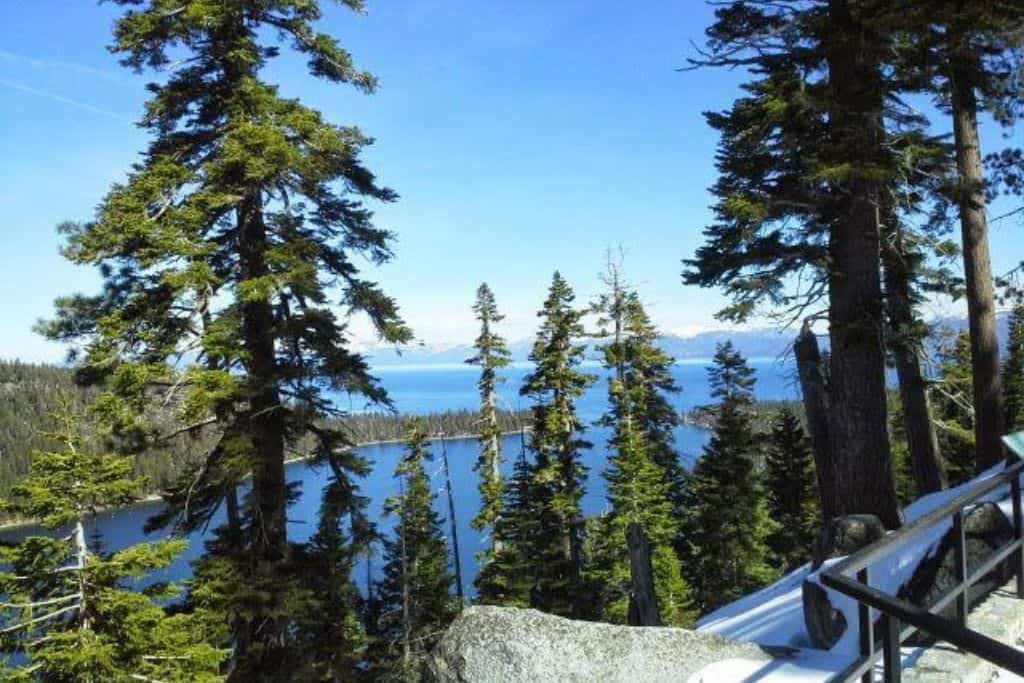
When planning your Lake Tahoe skiing adventure, remember that January is typically the snowiest month, with an average snowfall of 43-46 inches.
However, snow can grace the area anytime from September through April. It’s best to book in advance, as some resorts may have limited availability.
Marriott Grand Residence Club, Lake Tahoe
The Marriott is situated in Heavenly Village, only a few steps from the Heavenly Gondola, a must-do activity if you’re in the area. This hotel offers spacious residences with 42-inch LCD TVs and excellent amenities.
If you’re seeking a luxurious experience, this is an ideal choice.
BOOK your stay at the Marriott 🏩
Gondola Vista
Gondola Vista is a state-of-the-art construction with top-notch service, is located just 20 minutes from Heavenly Resort’s gondola ride and the beautiful shores of Lake Tahoe.
Your stay here will also place you next to Van Sickle State Park, giving you easy access to outdoor activities.
BOOK your stay at Gondola Vista 🏩
For more options and the best rates and availability click on the map below ⤵️
Best Places to See Snow in Lake Tahoe

Lake Tahoe is a winter wonderland; if you’re visiting during the snowy season, you’re in for a treat. There are several amazing places to enjoy the snow around the lake.
Here are some recommendations to make your trip unforgettable.
Northstar, Lake Tahoe
One of the best places to see snow in the area is Northstar. Thanks to its high elevation and proximity to the Sierra Nevada mountains, it sees about 30 feet of snow yearly.
The snowfall starts in October and usually continues through May, so you’ll have ample opportunities to enjoy the winter scenery during your visit.
Cross-Country Skiing on Snow-Covered Beaches
For a unique and picturesque experience, head to the north side of Lake Tahoe and enjoy cross-country skiing on snow-covered beaches.
Baldwin Beach and Tallac Historic Site are great options, providing stunning views of the lake and mountains as you glide across the snow.
For your Nordic skiing adventure, you can rent skis or snowshoes at Camp Richardson or Kirkwood.
Snowfest and Winter Wondergrass
If you’re visiting Tahoe during late February or early March, you can catch one of the popular winter events like Snowfest or Winter Wondergrass.
Snowfest is a 10-day mountain Mardi Gras festival from February 24 to March 5. This event raises money for student organizations and charities, making it a great way to enjoy the snow and give back to the community.
Meanwhile, Winter Wondergrass is a wonderful music festival with bluegrass tunes and craft brews to make your snowy experience even more memorable.
Tips for Driving in the Snow in Lake Tahoe

As you prepare for a winter trip to Lake Tahoe, you must know how to navigate the snowy roads. Here are some friendly tips to ensure you have a safe and enjoyable drive:
✅ Check the weather and road conditions: Before heading to Lake Tahoe, make a habit of monitoring the weather, road conditions, and webcams for real-time information. This way, you can plan your trip accordingly and avoid any surprises.
✅ Carry tire chains: Regardless of whether you have a front-wheel or rear-wheel drive vehicle, always carry chains that are the proper size for your tires and in working order.
If you’re unfamiliar with installing tire chains, practice beforehand or consider bringing a flashlight, chain repair links, and gloves to help you out.
✅ Maintain a safe distance: Snow and ice can make the roads slippery, reducing your vehicle’s grip and increasing the chances of skidding. To stay safe, keep a greater distance between your car and the one ahead of you than in normal weather conditions.
✅ Accelerate and brake gently: When driving in snowy conditions, applying gentle pressure to both the accelerator and the brake is essential to avoid losing traction on slick roads. Remember, sudden movements can cause your vehicle to skid.
✅ Stay visible: During snowstorms, visibility might be reduced, making using your headlights and turn signals crucial. This will help you see the road and allow other drivers to spot your vehicle.
✅ Pack an emergency kit: It’s wise to have an emergency kit in your car that includes a first-aid kit, warm clothing, blankets, a flashlight, food, water, and a snow shovel. This can come in handy if you ever find yourself stranded or facing unexpected situations.
By following these friendly tips, you’ll be better prepared for driving in the snow in Lake Tahoe and ensuring a safe, enjoyable winter vacation.
What to Pack for a Snowy Lake Tahoe
- A reusable water bottle. When I travel, I carry the Water-To-Go Filterable Water bottle. I can fill it up anywhere, and the bottle filters out harmful contaminants.
- A warm ski jacket
- Gloves, hat, and scarf
- Ski gear unless you’re going to rent in Lake Tahoe
- Sunglasses
- Winter Boots to get you to the ski resort
- Layers, long sleeve shirts, sweaters, t-shirts
- Sunscreen (you’re closer to the sun on the mountain) ☀️
Does It Snow in Lake Tahoe: FAQs
Reliable snowfall occurs between November and March in Lake Tahoe. However, it has been know to snow in October and April in Lake Tahoe.
Yes. Resorts in Lake Tahoe make snow with a snow machine. Heavenly Mountain boasts one of the most expansive snow making systems in the world.
Yes, it snows in Lake Tahoe in December. The average snowfall in December is 32.2″ (89.40 cm).
To drive to Lake Tahoe in the snow, you must have chains on your car or a four-wheel/all-wheel drive vehicle. At a certain point, you may only go further if you have one of these.
The best time to go to Lake Tahoe depends on which activities you’re interested in. If it’s skiing you’re after or winter sports, go to Lake Tahoe from November to March. If you want summer activities like kayaking on the lake or hiking, go during the summer. September is also a great time to go to Lake Tahoe; there are fewer people, and finding affordable accommodations is easier.
The snow season in Lake Tahoe typically starts around September and can last up until April. However, the heaviest snowfall usually occurs between December and February, with January being the snowiest month on average.
Lake Tahoe receives an average of 210 to 220 inches of snow annually at lower elevations, while higher elevations can see up to 500 inches of snow each year. This can vary depending on weather patterns and the specific location around the lake.
Yes, you might experience snow in Lake Tahoe during the fall, particularly in the months of September through November. However, the snowfall during this time is typically not as heavy as it is during the winter months.
Lake Tahoe offers a variety of winter activities for you to enjoy, such as skiing, snowboarding, sledding, ice skating, snowshoeing, and snowmobiling. The region is home to several ski resorts and stunning, snow-covered landscapes, making it a popular winter destination for outdoor enthusiasts.
Road conditions in Lake Tahoe can be challenging during snowfall, so it’s essential for you to be prepared and drive cautiously. Ensure your vehicle has appropriate tires and chains, and always check the weather forecast and road conditions before traveling. Roads may be closed or restricted in severe weather, so stay informed and be flexible with your plans.
Snow in Lake Tahoe during the summer months is rare, as temperatures typically rise and snow from the previous winter melts. However, higher elevations may still have some snow patches left over from the winter season. If you’re planning a trip during the summer, you can enjoy a wide range of outdoor activities such as hiking, biking, and water sports on the lake.
Wrap-Up: Does It Snow in Lake Tahoe
So yes! It does snow in Lake Tahoe a lot.
Whether you’re an experienced skier, snowboarder, or someone seeking a snowy paradise, Lake Tahoe is an idyllic destination.
Numerous mountain resorts are offering a range of snow activities beyond skiing.
Each resort provides unique snow experiences, contributing to the overall allure of the region during the colder months.
So pack your warm clothes and prepare for an unforgettable snowy Lake Tahoe visit!
More Lake Tahoe
- Lake Tahoe in the Fall: Weather Tips & Best Places to Go
- Heavenly Gondola Ride Lake Tahoe: Everything You Need to Know by a Local
- California in December: 21 Best Places to Go
California Travel Planning Guide
🚑 Should I buy travel insurance for California?
100% YES! – With basic coverage averaging $1.50 USD per day, enjoy peace of mind with a plan from SafetyWing, one of the biggest names in travel insurance. (Read more)
💦 Can you drink the water in California?
Yes — But I wouldn’t. It doesn’t taste very good and there are contaminants in it. You’ll want to buy a Water-To-Go Bottle, which filters drinking water while on the go (traveling) and helps keep you hydrated.
🚙 Is it safe to rent a car in California?
Yes — Renting a car in California is one of the best ways to explore this vast, awesome state, and kind of a must! I always rent with Discover Cars, which checks both international companies and local California companies, so you get the best rates. (read more)
🏨 What’s the best way to book my California accommodations?
For California hotels, Booking is the best site, but for hostels, use Hostel World. If you’re considering a California Airbnb, don’t forget to also check VRBO, which has better rates than Airbnb.
🧳 What do I pack for California?
Head to the Ultimate California Packing List to get all the information you need about packing for a trip to California.
🛫 What’s the best site to buy airfare to California?
For finding cheap California flights, I recommend Skyscanner.