Is Machu Picchu Worth It? What To Expect From Your Visit (2023 Travel Guide)

This post may have affiliate links, which means we may receive a small commission (at no extra cost to you!) if you choose to purchase through them. Here’s our Disclosure & Privacy Policy for more info.
Machu Picchu, the most-visited UNESCO World Heritage Site, is in the Andes Mountains above the Urubamba River. But is Machu Picchu worth it? Is the historical site worth traveling to Peru for and dealing with hoards of tourists?
A 15th-century Inca citadel situated in the Eastern Cordillera of southern Peru sits on a 7,970 ft (2,430 meter) mountain range.
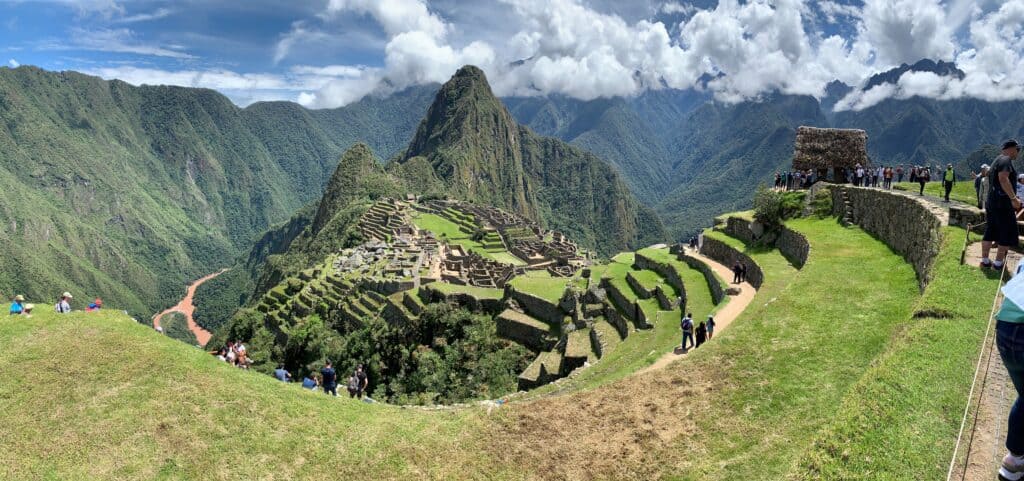
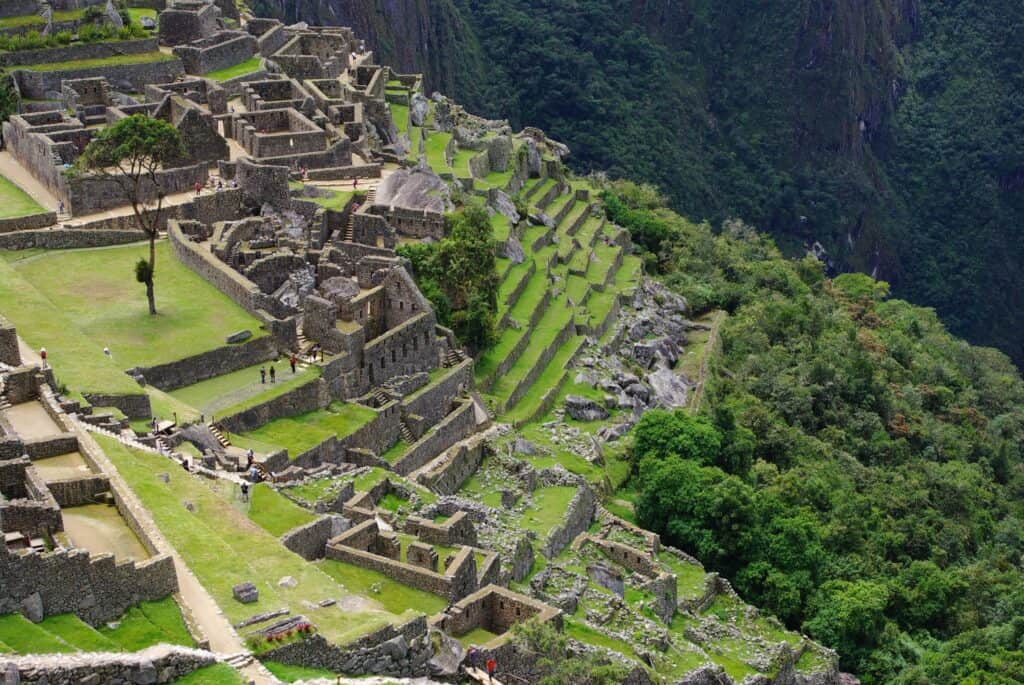
The archaeological wonder is something to behold with its thousands of stone block steps and plazas built into the eastern slopes of the Vilcanota Mountain Range 80 miles northwest of Cusco, the capital of the Inca empire.
IS MACHU PICCHU WORTH IT
Is Machu Picchu Worth It? Should I Visit?
Yes. We think it is worth it. There is nothing like getting up close and personal with the wonder that is Machu Picchu.
Images of Machu Picchu are breathtaking but seeing the agricultural terraces, temples, and residential quarters on top of a giant mountain in person is an experience photos simply can’t give you.
Here’s the thing: if you’re going all the way to Peru to see Machu Picchu in person and are physically able to hike during the day, hike the Inca Trail.
✅Cusco: Inca Trail to Machu Picchu – 4-Day Trek
It’s an experience that will resonate with you for a lifetime.
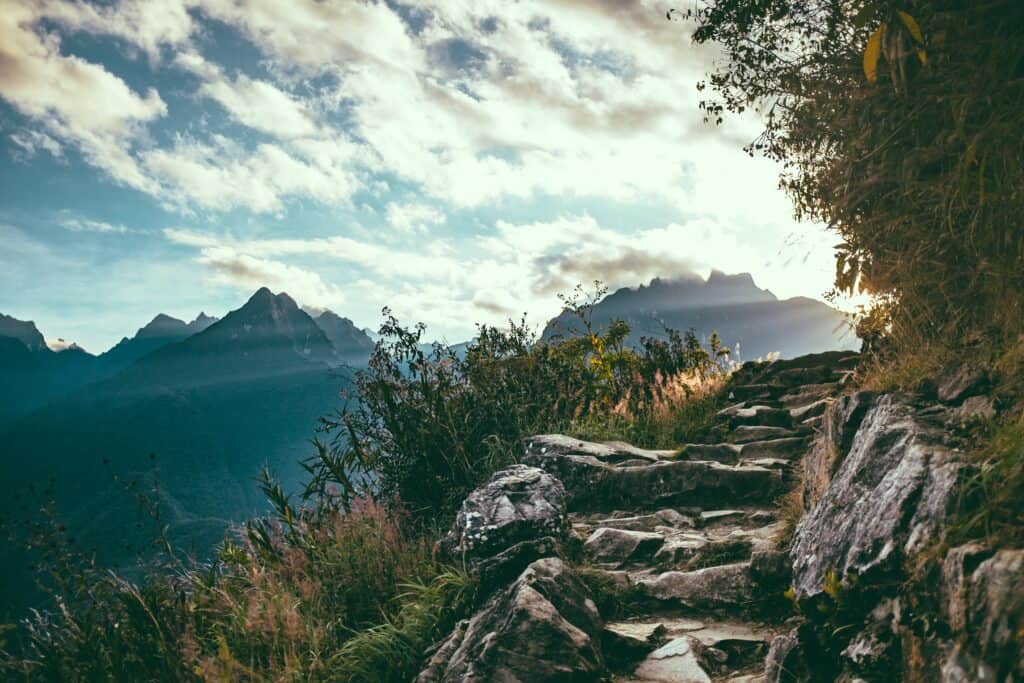
Taking a guided tour is safe and comfortable. Tours provide porters to carry your things and make your meals. All you have to carry is a camera.
Some say Machu Picchu is a tourist trap, crowded, and expensive. While all those things are true (you can plan your trip during less crowded months), it’s crowded for a reason. It is also worth it.
CA Girl highly recommends taking a hiking tour on the Inca Trail to get the complete experience of Machu Picchu.
You can get away from the tourists who congregate at the citadel by going on tour with a small group and hiking the trail. Or travel with friends to Machu Picchu and create your own tour group.
What Is So Amazing About Machu Picchu?
Machu Picchu, or the “Lost City of the Incas,” was designated one of the Seven Wonders of the World in 2007 by UNESCO, and its popularity has only increased during the past few years.
Machu Picchu is an archaeological marvel because it’s one of the few pre-Columbia ruins discovered nearly intact. Truly breathtaking.
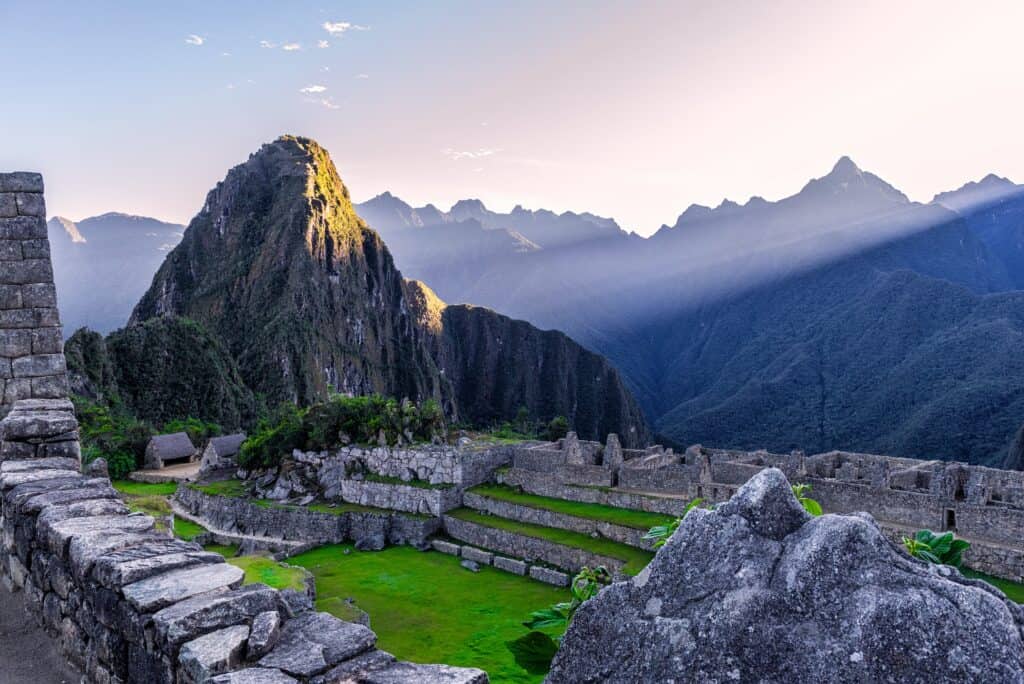
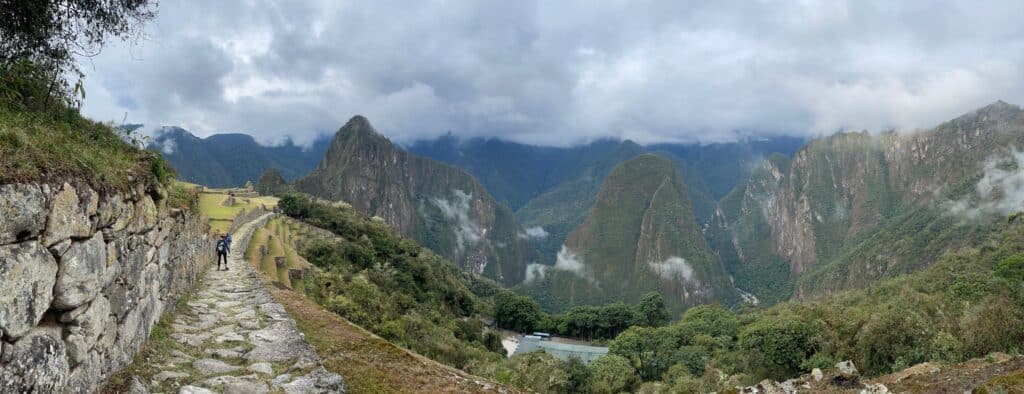
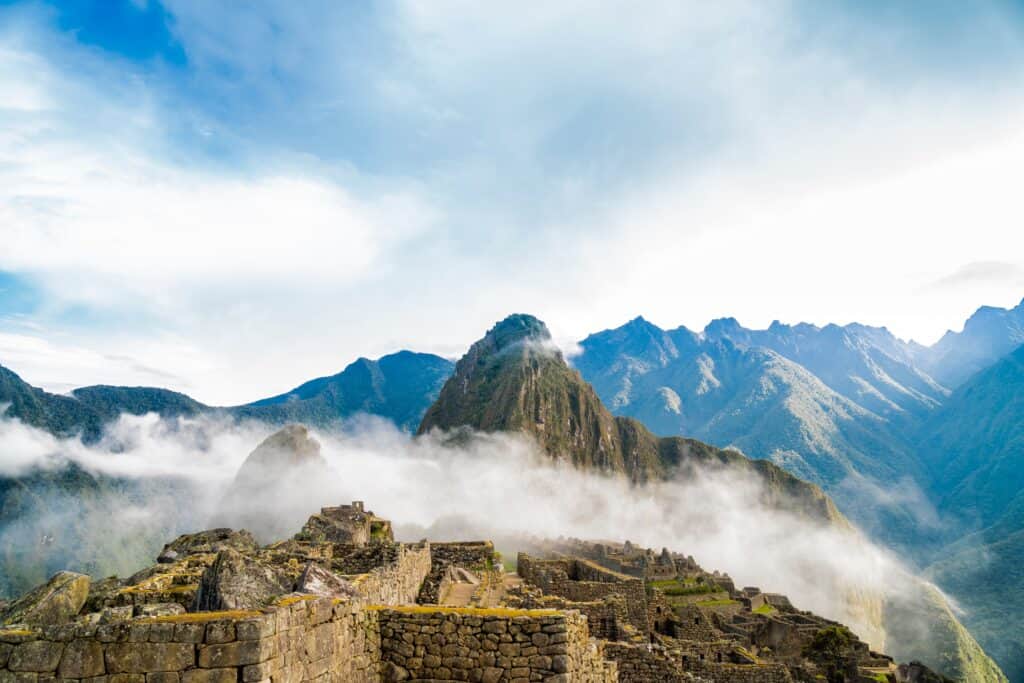
It sits high in the Andes mountains, like a temple reaching the heavens, the highest point surrounded by clouds, as seen in the many photos taken of the site.
Machu Picchu was built on steep cliffs with only one narrow entrance. Some believe it was erected to serve as a high-altitude fortress for the Incas.
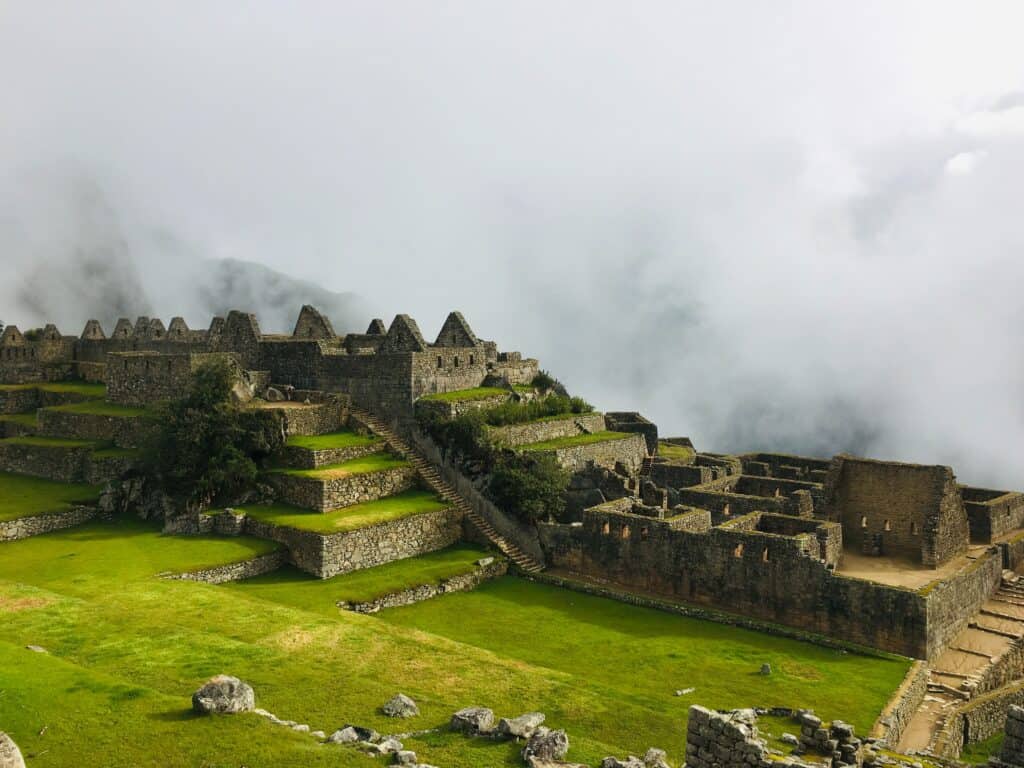
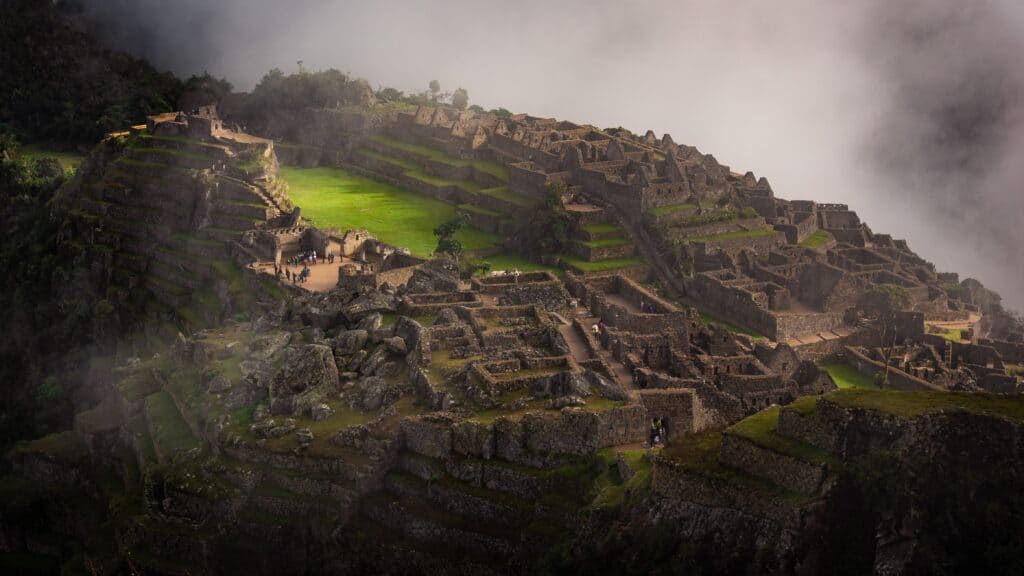
Layered into bright green terrain are terraces, plazas, residential areas, and temples. Thousands of stone block steps are methodically placed on the sides of the mountain.
When Was Machu Picchu Discovered
Machu Picchu was rediscovered by the American archaeologist Hiram Bingham in 1911. Bingham initiated a scientific study of the site.
When Was Machu Picchu Built?
We don’t know exactly when Machu Picchu was built, but scholars believe it was erected around 1450 AD. Or at least construction began at that time. Academics estimate this magnificent site took at least 90 years to build and is estimated to have been completed around 1540 AD.
Believed to have been built for the Incan emperor, Pachacuti Inca Yupanqui.
What Was Machu Picchu’s Purpose?
Scholars have differing views on the purpose Machu Picchu served.
Bingham believed Machu Picchu was an Incan stronghold used during the 16th-century rebellion against Spanish rule. Further findings later disproved his claim.
The purpose still confounds academics and historians. Some believe it was a pilgrimage site, while others think it was a royal retreat for Incan elites.
Why Was Machu Picchu Abandoned?
Among academics, debate surrounds why the site was suddenly abandoned less than 100 years after it was built.
There is no definitive answer, but scholars have different ideas and theories about what happened.
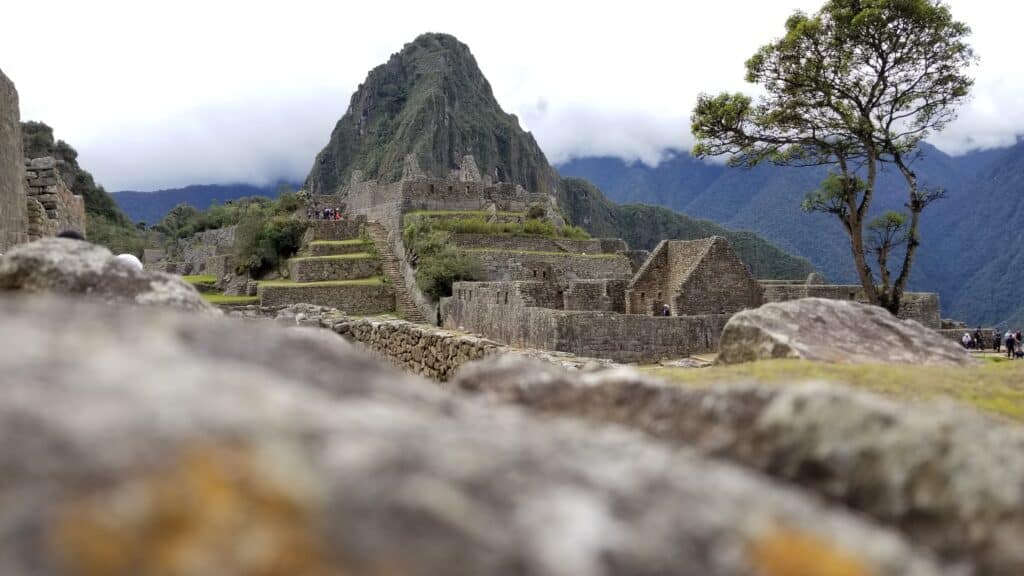
Some believe that Manchu Picchu was only known to a small circle of elites. When they left – for whatever reason – knowledge of the complicated routes through the mountains leading to Machu Picchu was lost with them.
Historical evidence shows during the resistance to Spanish domination, Manchu Inca and his warriors sought refuge in the more remote Vilcabamba region and Pampacona-Concebidayoc instead of using Machu Picchu as a fortress.
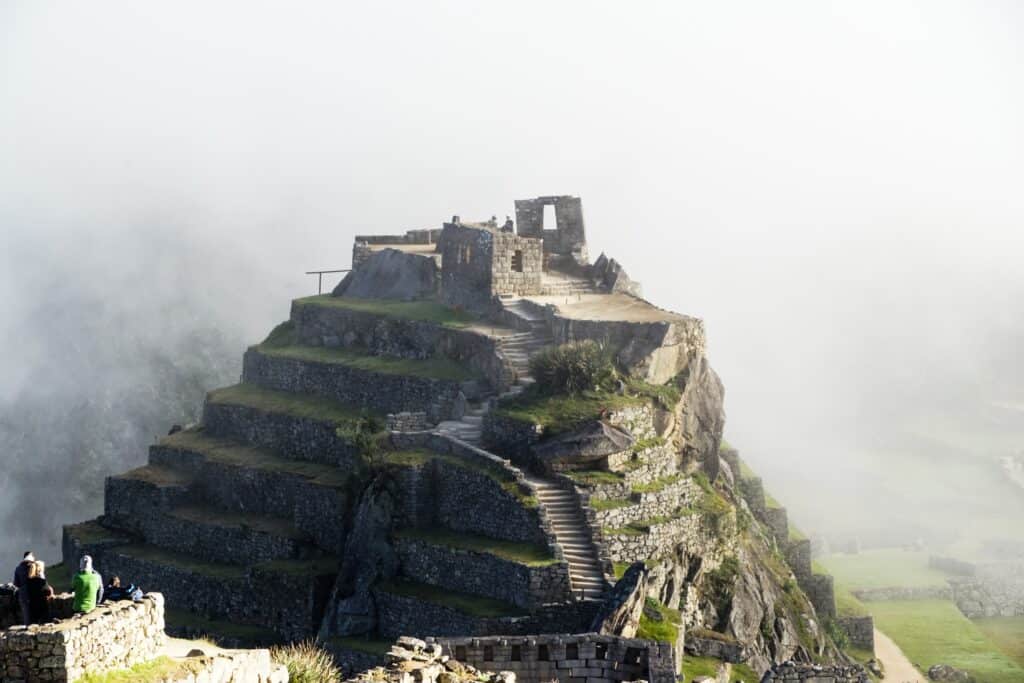
Things to Know Before You Go to Machu Picchu
The Inca Trail limits daily hikers to 500 per day, including porters and guides.
So, if you have your heart set on hiking the Inca Trail, get your tour before you buy airfare and buy a tour at least six months in advance unless you’re very flexible with travel dates.
Pro Tip: The Inca Trail limits daily hikers to 500 per day – including porters and guides.
IS MACHU PICCHU WORTH IT
How Much Does A Trip To Machu Picchu Cost?
If you are planning on traveling to Peru to see Machu Picchu, we strongly recommend purchasing a tour to hike all or at least part of the Inca trail or an alternative.
It’s not cheap to see one of the Seven Wonders of the World. Even for the most basic options.
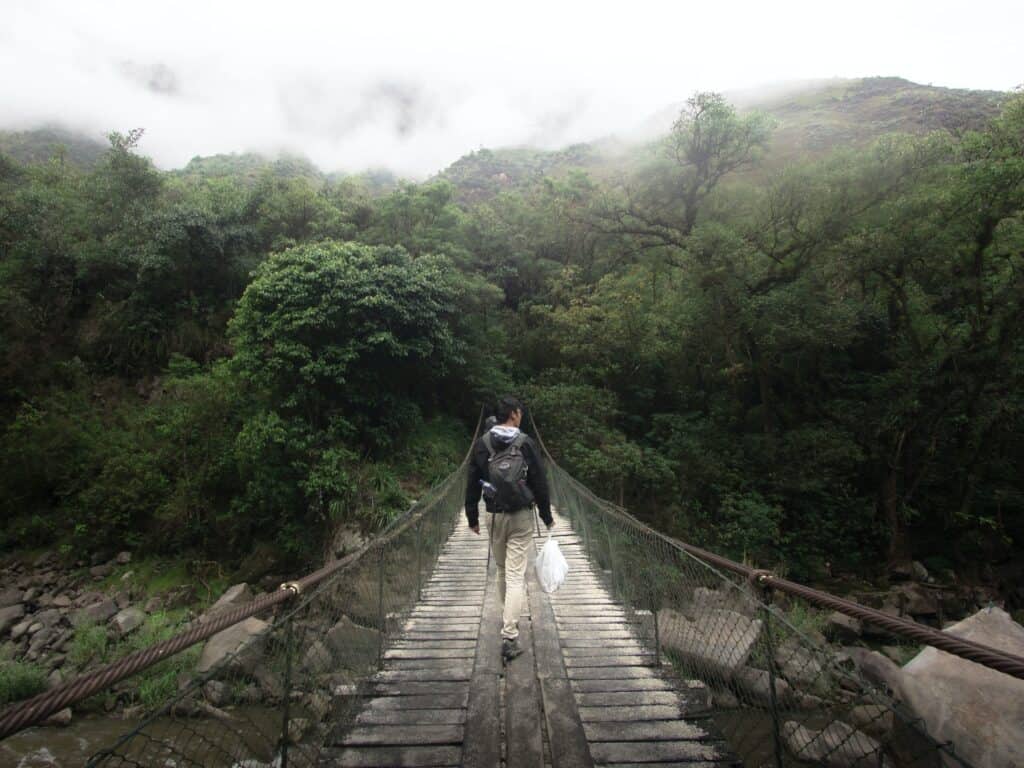
Group tours will run you around $600 – $700 for a five-day tour.
If you opt for a private tour, add another $200 on top of that per person for a group of four to six.
However, you get an entire porter team and guide including meals. For four days in the Peruvian mountains, that’s a reasonable deal.
Are Machu Picchu Tours Worth It?
YES! We recommend purchasing a tour as one of the first things you do when planning your Machu Picchu trip.
If a hike on the Inca Trail is something you really want to do, and we strongly recommend that particular experience if traveling to visit Machu Picchu, purchase a tour not only before you go but before you get airfare or at least around the same time.
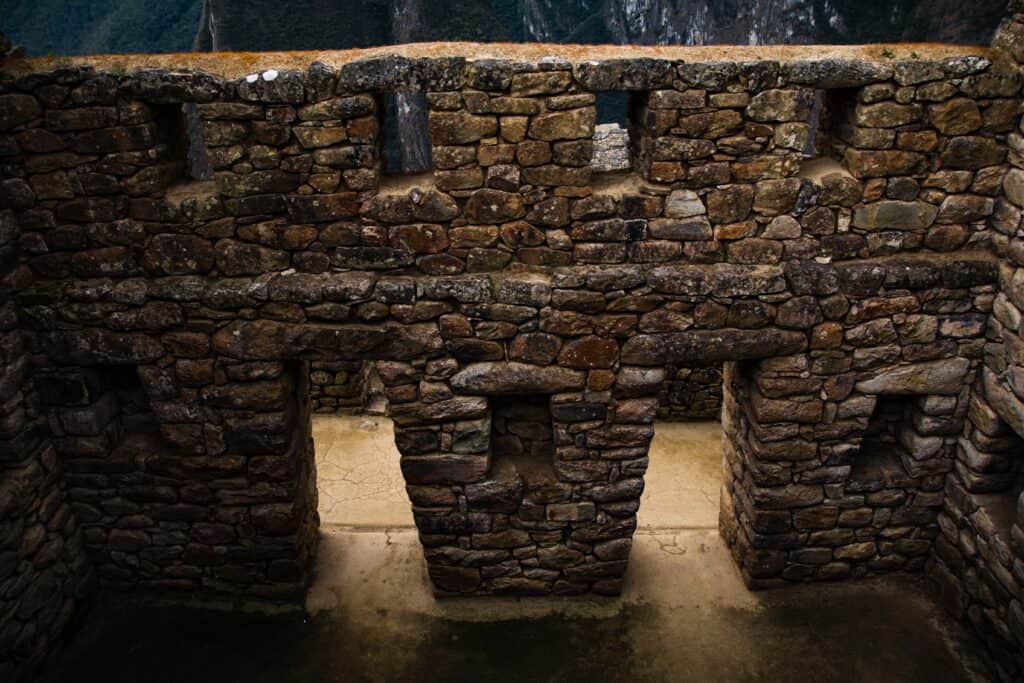
Tours fill up fast here due to the restriction on the number of people they let onto the Inca Trial at one time.
What’s great about a tour is it takes the guesswork out of how to get from the city of Cusco (many tours recommended here pick you up at your hotel in Cusco) to the starting point of the Inca Trail. Think of a tour as your own private “fixer.”
Tours often pick you up at your hotel in Cusco, once the capital of the Incan Empire.
Hiking the Inca Trail
First of all, there is not just one Inca Trail, but many. Kind of like we have many trails in Griffith Park, not just the one which weaves under the Hollywood sign.
The many trails around Machu Picchu span the entirety of the Incan Empire all the way to Ecuador in the north and Chile in the south.
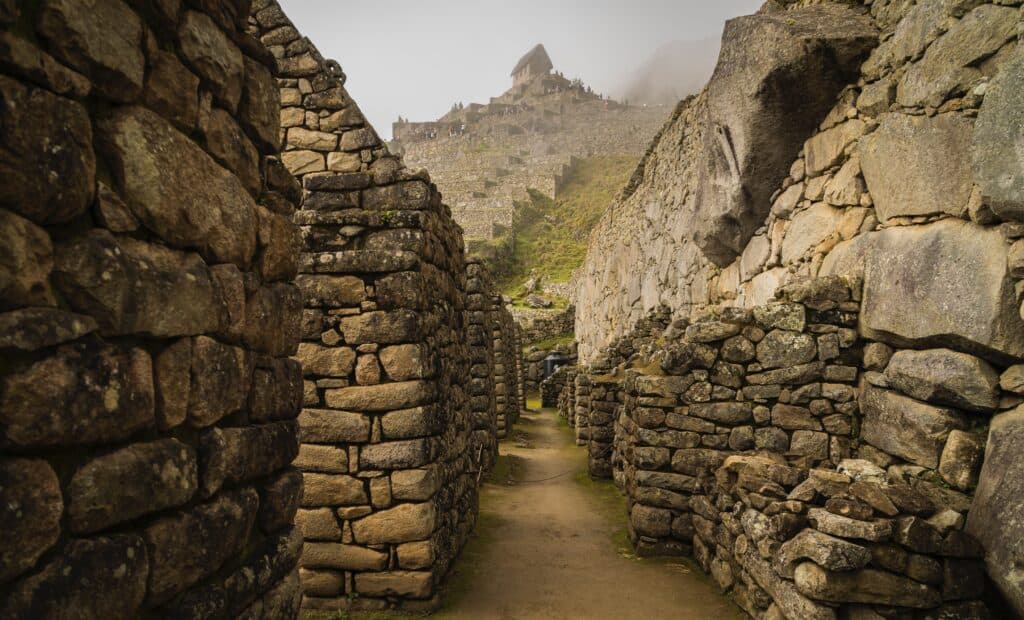
The Inca Trail begins near Ollantaytambo which serves as a meeting place for most of the tours of the Sacred Valley and is named km 82, which surprises many because it is so mundane for such a sacred place.
Benefits of purchasing a private tour to hike the Inca Trails and camp overnight on the trail:
✅ It’s safer.
✅ Your guide picks you up from your hotel in Cusco or at the airport.
✅ You are taking a pilgrimage on sacred ground once walked by Incan emperors. There is not a better way to see Machu Picchu than the complete experience of hiking the trail.
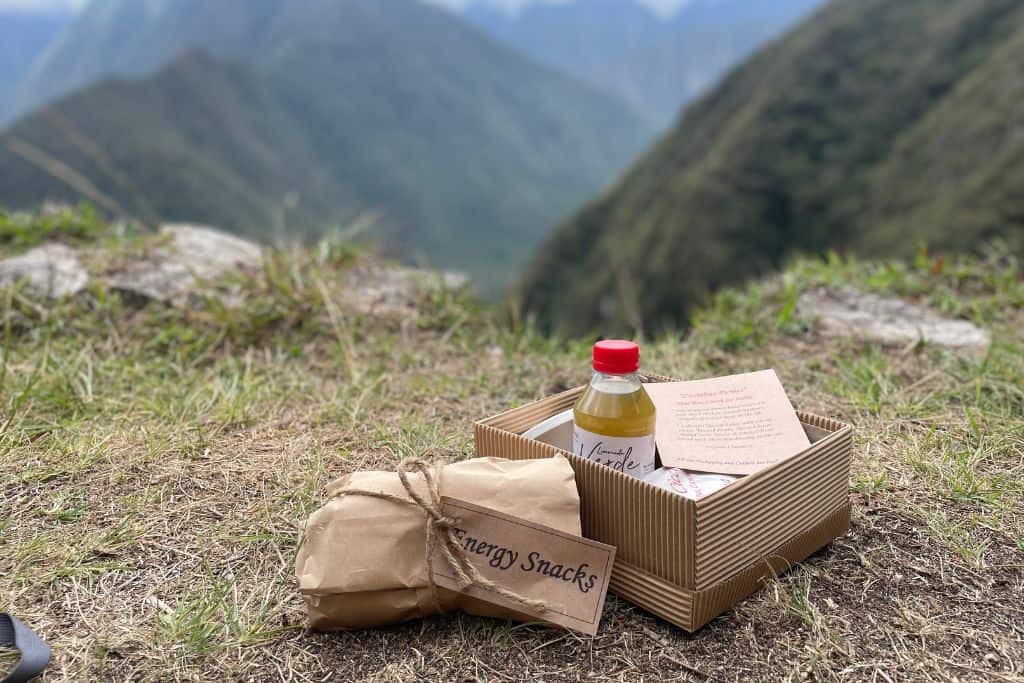
✅ The team carries 99% of your things on trail. You just have to carry a camera to snap pictures, a water bottle and some snacks. Oh, and remember a rain jacket.
✅ The team carries tents, food, dining tents, clothes, and cooking equipment.
✅ Excellent meals are provided.
✅ The team goes ahead of you, leaving you with one experienced guide, and sets up camp for you at the next spot so it’s ready when you arrive. Once you get there, sit and relax with a meal and drink as you chat with your tour group/friends about what you experienced that day.
✅ Your tour guides pick you up from the town of Cusco and take you to the trailhead.
✅ Your tour guide knows the land and can pass along education and wisdom about the terrain and the culture, and the many different ruins you see on the hike.
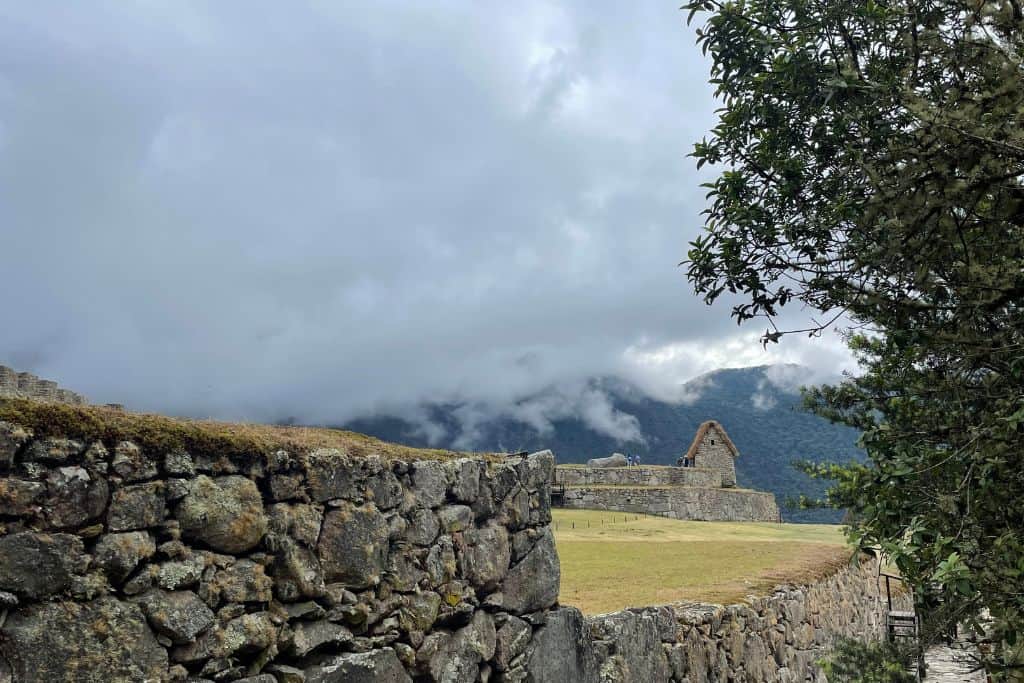
🎈Machu Picchu: 2-Day Group Tour of the Inca Trail
✅Machu Picchu: 2-Day Group Tour of the Inca Trail
🎈Cusco: Inca Trail to Machu Picchu 4-Day Trek
✅Cusco: Inca Trail to Machu Picchu
IS MACHU PICCHU WORTH IT
How Do You Get To Machu Picchu?
Machu Picchu, high up on the mountainside in the Sacred Valley, is not accessible by car. There are three ways to get to the citadel.
By Train
Most visitors take the train to and from Machu Picchu, located in Aquas Calientes (Machu Picchu Pueblo) at the base of the Sacred Valley.
✅From Cusco: Full-Day Group Tour of Machu Picchu via Train
By Bus
To get to the entrance door of the Inca Citadel you can take a bus from the town of Aguas Calientes, which will take you along a winding path on the slopes of the great Machu Picchu mountain.
✅Via Bus from Aguas Clients: Round-Trip Bus Ticket to Machu Picchu

Via The Inca Trail
Those who want to spend more time getting to the citadel follow the Inca Trail for the classic 24- or 26-mile trek. The distance is determined by which of the two trailheads you set out from.
It’s challenging 5-day route that can be squeezed into three days or truncated to two days if you get off the train at km 104 to follow the Camino Sagrado de los Incas to Machu Picchu.
There are group tours, with the final morning ending at Machu Picchu to see the sunrise.
We highly recommend a hiking tour.
IS MACHU PICCHU WORTH IT
Machu Picchu Alternatives
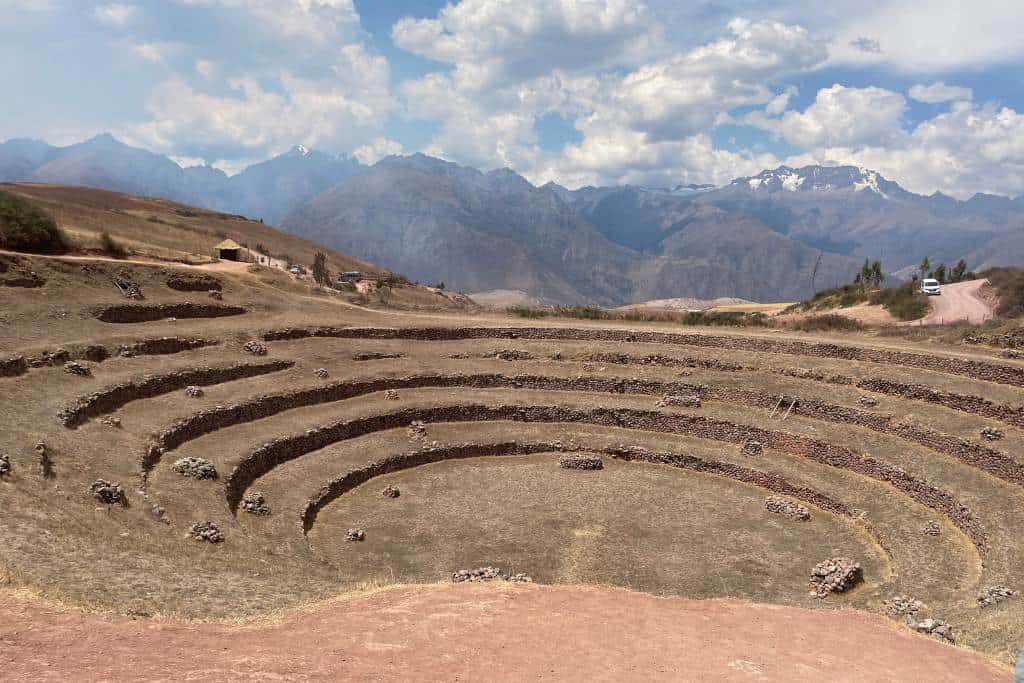
The Lares and Vilcabamba trails are another great option. They are approximately the same duration as the classic Inca Trail route, 26 miles in total.
There is also the Salkantay Trail which takes longer to hike. Clocking in at eight days and is limited to 10 participants. This tour combines a combination of camping and staying a few nights in hotels and resorts.
🎈From Cusco : Hiking 8 Days Salkantay Trek to Machu Picchu
✅From Cusco : Hiking 8 Days Salkantay Trek to Machu Picchu
The upside to this trail is hikers enjoy staying at resorts and hotels, combined with camping, there are also fewer hikers on this route, perhaps because of the higher price and less breathtaking views.
IS MACHU PICCHU WORTH IT
When is Machu Picchu Open to the Public?
Machu Picchu is open all year round.
Machu Picchu: Standard Admission Ticket is $65.00.
✅Purchase Machu Picchu Standard Admission Ticket
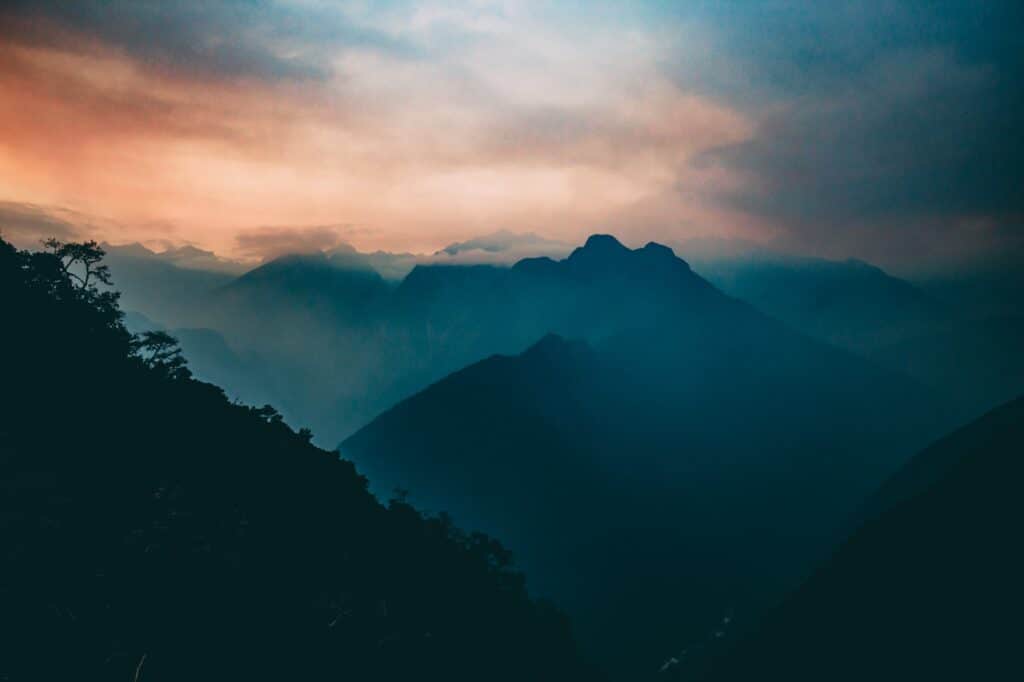
Machu Picchu in the early morning
The entrance to Machu Picchu is open at 6 am. The first bus departs at 5:30 am from Aguas Calientes town, and there is usually a line of between one and two hours.

If you are lucky to catch the first bus, you will arrive at 6:00 am at Machu Picchu’s gate in time to see the sunrise, which makes the early morning wakeup worth it.
To circumvent the bus-line hassle, select a guided hiking tour along the Inca Trail, which winds through the mountains and ends at Machu Picchu, where you’ll have some time at the ancient ruins.
You can choose between an 8-hour hike and overnight hikes ranging from one to five days.
People who catch the 5:30 bus from town can stay overnight in Aquas Calientes.
Machu Picchu in the early afternoon
Trains arrive in Aguas Calientes after 9:00 am.
All one-day visitors visit the Inca Citadel. This is the busiest time. This is called the Machu Picchu one day, and several trains from Cusco and Ollantaytambo arrive with travelers.
Machu Picchu in the late afternoon
Most tourists arrive at Machu Picchu around 1:00 pm and leave by 3:00 pm. After 2:00 pm is the quietest time to enjoy the citadel when most tourists are on their way off the mountain.
The Last Tour at Machu Picchu
You must book the last tour by 2:00 pm. You can then enter Machu Picchu from 2:00 pm to 4:00 pm and must leave by 5:30 pm.
Machu Picchu on Sunday
Sunday is perhaps the most crowded day of the week since the citadel is open for free to locals on Sundays.
Avoid Sundays if possible.
IS MACHU PICCHU WORTH IT
When is the least crowded time of the year to visit Machu Picchu?
If you want to visit Machu Picchu without the crowds, January and February are the best months to visit.
However, beware, this is the rainy season in Peru, but you’ll get the best prices on hotels and the best train schedules to get to the citadel. Also, most hikes on the Inca Trail will be closed.
Most hikes on the Inca Trail are closed in January and February due to the rainy season.
IS MACHU PICCHU WORTH IT
What Is The Best Time Of Year To Visit Machu Picchu?
That depends on what you want from the experience of visiting Machu Picchu.
Let’s get the basics out of the way. There are only two seasons in the Andes Mountains, dry and wet.
June, July, and August are typically the busiest times at Machu Picchu. Good weather, lots of people. The dry weather is conducive for a great hiking and exploring experience.
However, there is sporadic rainfall in the dry season, so bring a rain jacket no matter what season you go to Machu Picchu.
The crowds can be mitigated if you go on a small group tour and hike the Inca Trail, which we strongly suggest. Most tours end at Machu Picchu.
Why go all the way to Peru to see Machu Picchu for an hour or two with crowds of tourists congregated at the top, where the citadel is.
The experience of the sacred ruin of Machu Picchu is enhanced by a four to five-day hike through the Peruvian mountains on the Inca Trail once traveled by emperors.
The shoulder season of April-May and September-October offers fewer people, and the weather is still relatively dry and nice. Prices for tours and accommodations will be lower and fewer people will visit the site during the “shoulder” season.
November through March tends to be the rainy season in Peru, so you will need to be prepared for rain if you choose to go during those months.
Machu Picchu’s Weather by Month
January
Highs around 71°F lows around 45°F. The heavy rain season, so a lot fewer tourists.
February
Highs around 72°F lows around 46°F.
The rainy season, so fewer tourists. February is probably the worst time to visit Machu Picchu. Most trails are closed, including the Inca Trail, the Salkantay Trail, and the Choquequirao Trail.
March
Highs around 71°F lows around 42°F.
Most trails are open in March, but the Salkantay Trek, located in the Amazon area, gets heavy rain and is not the best time to hike.
April
Highs around 73°F lows around 39°F.
April begins the shoulder season and is a great time to visit. Great weather with few rainy days. This is when hiking tours begin to sell out fast. You need to reserve in advance—great time to hike the Inca Trail to Machu Picchu as the finale.
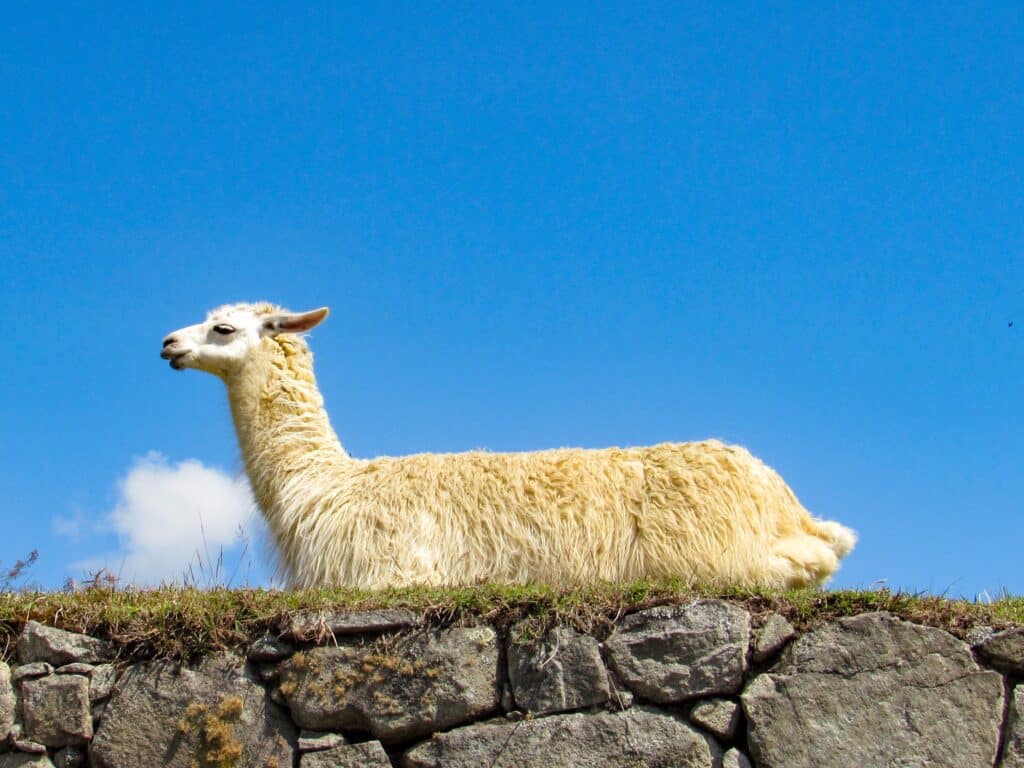
May
Highs around 86°F lows around 42°F.
One of the best months to visit and hike the Inca Trail, Salkantay and Lares Trails, and any other alternate trail.
June
Highs around 83°F lows around 44°F.
June starts the busy tourist season. Tours will be crowded. Book in advance.
July
Highs around 82°F lows around 44°F.
The buses to Machu Picchu are very crowded during July with long wait lines. Book tours and hotels way in advance.
August
Highs around 78°F lows around 42°F.
All trails are open, but August is when Machu Picchu gets the highest number of visitors. Try alternate trails if you want to hike, and book way in advance.
September
Highs around 73°F lows around 44°F.
The dry season ends in August, so rains are back in September, the beginning of the wet season. Expect cooler weather in the mountains. The colder weather brings fewer visitors. All trails are open.
October
Highs around 72°F lows around 41°F.
Like April, October is one of the best months to visit Machu Picchu. There is little rain, a lot of tour availability with fewer tourists.
November
Highs around 78°F lows around 45°F.
The official start of the rainy season.
Fewer visitors on tours and in town.
December
Highs around 71°F lows around 44°F.
It often rains in December. Very few visitors, that is, until the end of the year when the holiday season starts, then tourists pick up during the last few weeks of the year.
IS MACHU PICCHU WORTH IT
How Difficult Is The Hike To Machu Picchu?
Although the trails are littered with large stones walked on at one time by emperors, they are not hard to walk along, but you have to be in decent shape.
The path along the Inca Trail is beautiful.
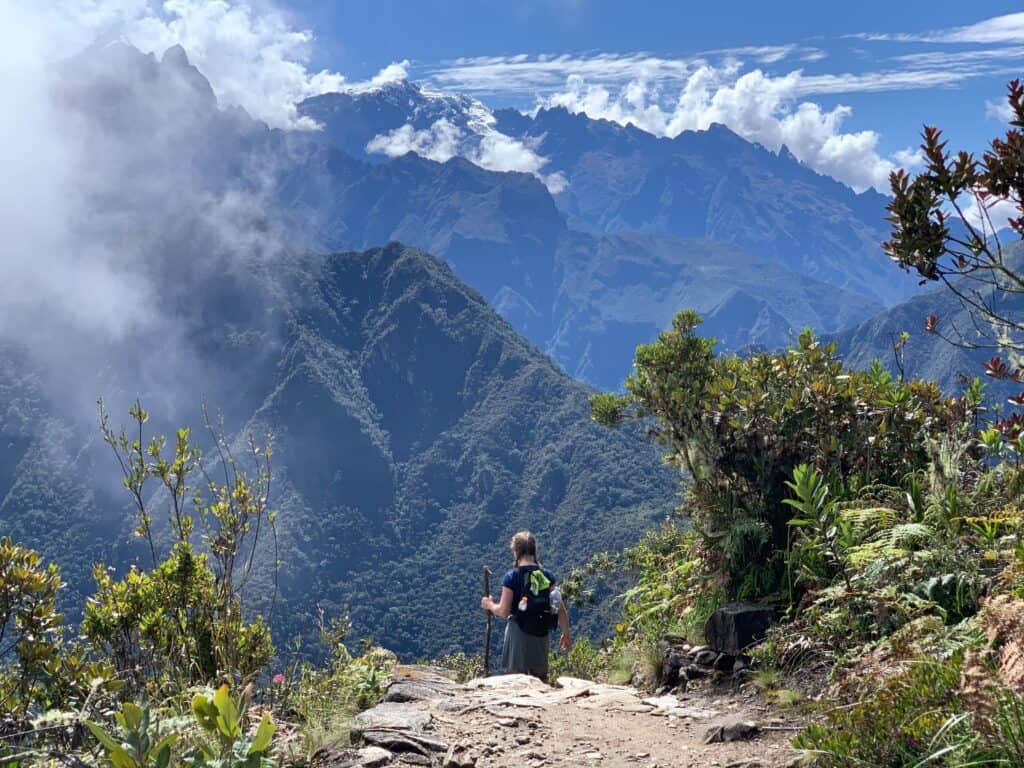
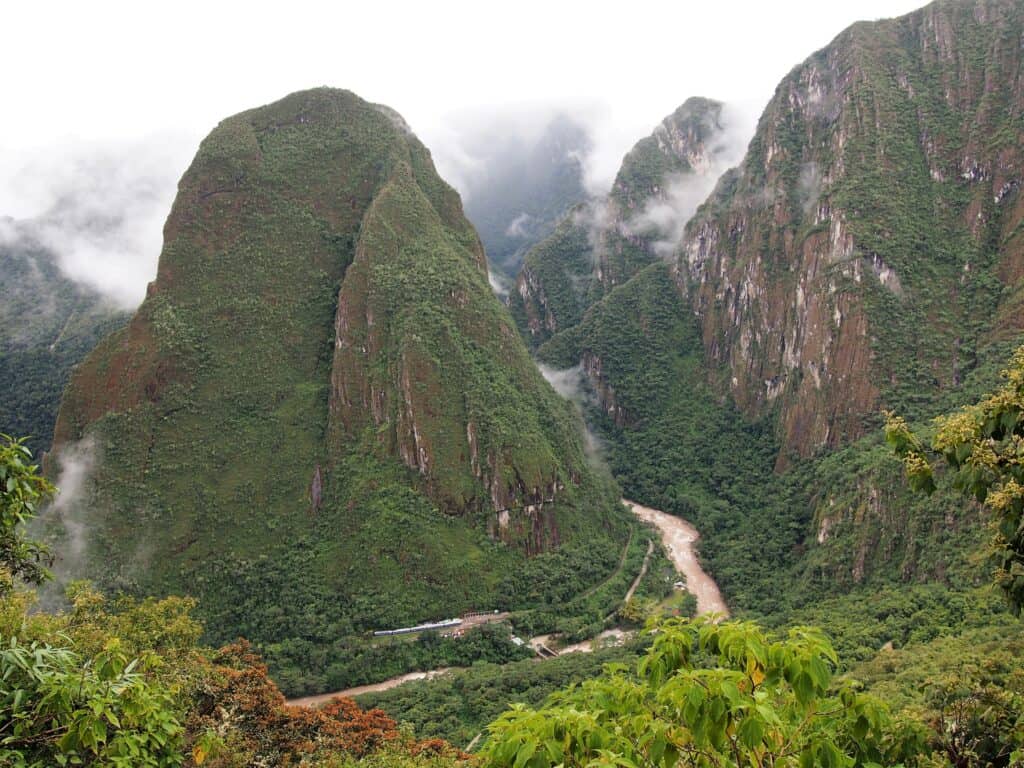
The rocks that make up the trails are well-worn by travelers making them smooth. The stones are varying colors from pink to brown. Often the path climbs up and then drops down as you descend deep into a foggy forest of untouched vegetation.

Some parts of the mountain are quite steep and hard on the knees.
While the guides – men in their 50s and 60s – take the steps at a jog, be careful and walk with purpose. There is a step set of stairs known jokingly as “the Gringo Killer” by the guides.
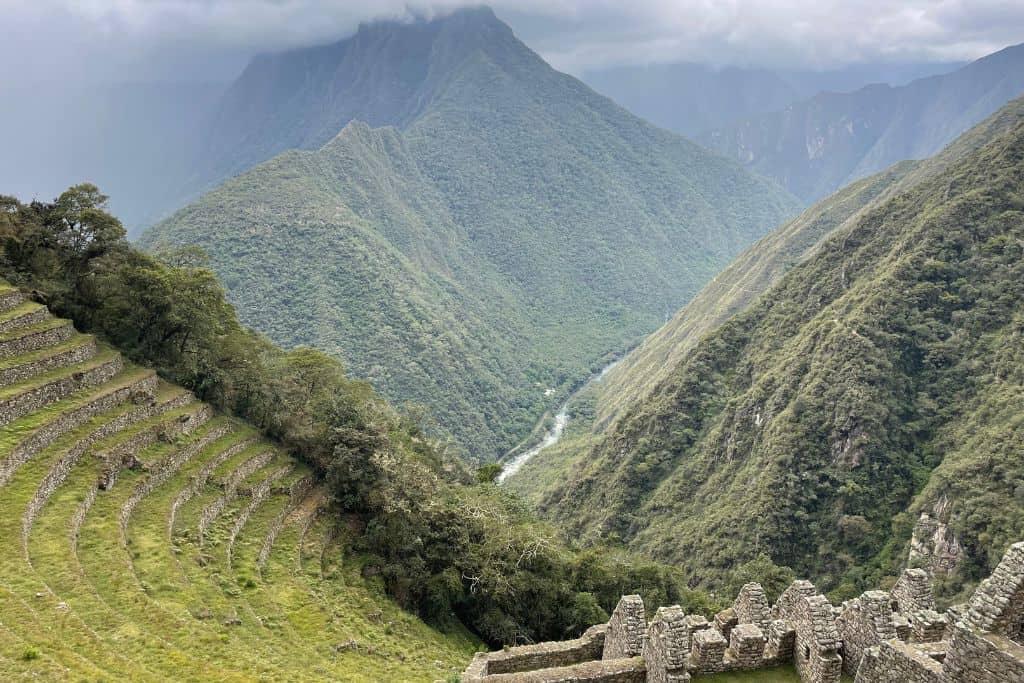
The stunning terraces covered in lush green are worth the trek.
During guided hikes, most people struggle with altitude gain and walking up to six and seven miles per day. Some parts of the trail are steep with stones as steps.
People do struggle along the trail, but your guide isn’t going to abandon you on the side of the Peruvian mountains.
The entire Inca Trail is 26 miles long, you most likely won’t be doing all of that on a four-day tour, but you will be hiking for six or seven hours per day, about 6 to 8 miles per day.
Because you are hiking long distances every day for four or five straight days, depending on what tour you purchase, it can be challenging especially if you’re not used to doing that kind of walking.
A few months before your trip, start walking and hiking in preparation. Start anywhere from three to six months ahead of time, walking a few nights a week after dinner, and you should be fine if you’re in relatively good shape.
You don’t have to be an athlete, but you do have to be used to moving your body. You might not be jogging the trail, but you’ll keep up.
The sun is strong in the Andes Mountains. Make sure to bring sunscreen and a sun hat. You’ll need protection from the intense sun.
Take it from someone who is an avid hiker all year round. Wearing a decent sunhat and sunglasses makes hiking more enjoyable.
If you hike the Inca Trail with a guide, you will pass many Incan ruins, although much smaller than Machu Picchu.
Machu Picchu is the trail’s endpoint and is the most crowded part of the hiking tour, where most people focus their attention.
Some who come to Machu Picchu opt out of hiking the terrain around the citadel. We think this is a mistake.
If you just go to Peru to see the citadel at the top you are missing out on some of the most exquisite natural hiking in the world where you can trek in complete solitude and not see another hiking group for hours or sometimes days.
How to Pick the Hiking Tour That Is Good for You
When selecting a four-day hike vs a five-day hike, realize that a five-day hike will allow for longer pit stops than a four-day hike, making the four-day option more intense and strict on time.
The major downside to the four-day hike is that hikers have to wake at 3:00 am to try and arrive at Machu Picchu for sunrise, tour the site and head back into town, where the tour initially picked you up.
🎈Cusco: Inca Trail to Machu Picchu 4-Day Trek
✅Cusco: Inca Trail to Machu Picchu 4-Day Trek
On a five-day tour, you’re able to get up at a more sane hour, enjoy the trail the whole day and arrive in time for sunset at Machu Picchu. Then you wake near the site the following day, have a tour of Machu Picchu, and see sunrise with fewer crowds.
🎈Salkantay Trek – 5-Day Hike to Machu Picchu
✅Salkantay Trek – 5-Day Hike to Machu Picchu
The five-day tour allows you to see sunrise and sunset at the ruin and no 3:00 am wakeup call. It is hard to enjoy anything when you have to wake up at 3:00 am for it. My body won’t hike at that hour.
Pro Tip: We highly recommend a five-day tour instead of a four-day tour because on the five-day tour there’s time for both the sunrise and sunset.
IS MACHU PICCHU WORTH IT
Conclusion: Is Machu Picchu Worth It?
A visit to Machu Picchu is worth it. We are CA Girl Travels think it’s a better experience to take a hiking tour on the Inca Trail with a tour guide.
If you only tour Machu Picchu itself and not the surrounding Inca Trail to get to Machu Picchu, you’re missing out on half the experience.
Tourists who go to visit the famous top – Machu Picchu – are pushed through quickly, with many visitors jockeying for photos.
It’s not a complete experience.
When you hike the trail, it’s a whole other thing. You cannot appreciate Machu Picchu fully without the context of the trail leading up to the marvel that it is. Walking along the trail that was once sacred to thousands of Incan people transforms the experience.