Does It Snow in New Zealand? Yes it does!

This post may have affiliate links, which means we may receive a small commission (at no extra cost to you!) if you choose to purchase through them. Here’s our Disclosure & Privacy Policy for more info.
Does it Snow in New Zealand?
Yes. It does snow in New Zealand.
But barely and rarely, and not when or where you think it would.
New Zealand’s seasons are flipped upside down compared to the seasons in most other countries.
In New Zealand, summer is winter, and winter is summer.
Yes. It snows in New Zealand.
So, if you want to ski, and New Zealand offers many great places to ski, go in the summer months, June, July, and August. To seek warmer climates in New Zealand, visit during the typical winter months, December, January, and February.
New Zealand is an island in the southwestern part of the Pacific Ocean composed of two landmasses: The North Island and the South Island.
Both are rather small in size, roughly the same surface area as the state of Colorado.
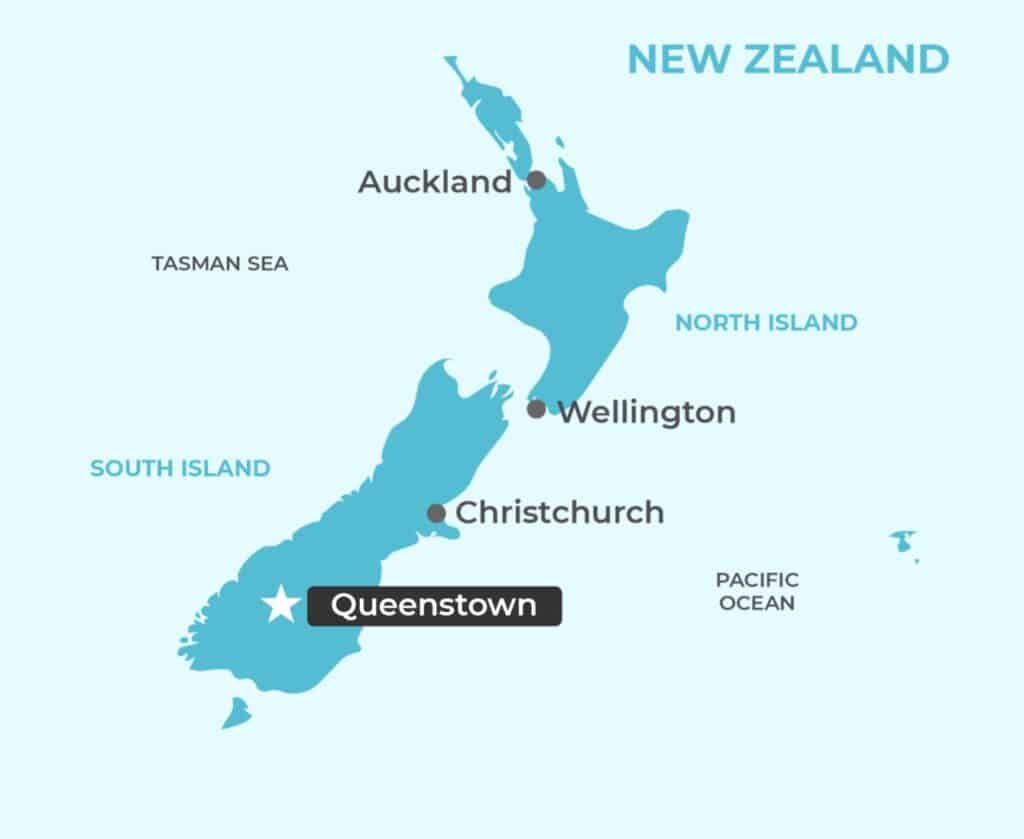
The two islands experience unusual atmospheric climates from subtropic in the North to alpine in the South. Climate and terrain are counterintuitive and diverse here, with each island experiencing different weather.
The South gets far more snowfall. Some mountain ranges in the south have snow-capped mountains year round.
Subtropical Climate
The North Island has warm and wet winters with temperatures in the low 50 degrees Fahrenheit and a high of 60 degrees Fahrenheit (10-15°C).
Alpine Climate
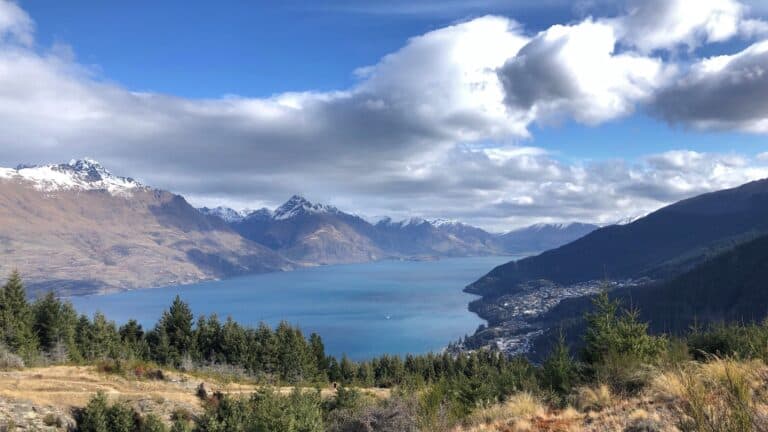
The South Island has cold and snowy winters with temperatures in the low 40 degrees Fahrenheit to minus 53 degrees Fahrenheit (4°C to -47°C).

New Zealand is both climate and geographically diverse, with sun-drenched beaches on the North Island and rugged mountain ranges for winter sports on the South Island.
New Zealand’s weather is temperate, which means temperatures can range from summer to winter, and island to island.
Wondering is New Zealand is worth the trek? We think so, here are 17 Reasons Why New Zealand Is Worth It.
Different Regions Experience Different Climates
The amount of snowfall in New Zealand varies from region to region. Like the snowfall in France, where some regions get a ton of snow and some experience no snow to a light dusting.
| Snowiest Months | Snowfall/yr. In. | Snowiest Places |
| June | 6.3 | Mt. Ruapehu |
| July | 9.8 | Mt. Cook |
| August | 8.3 | Mt. Taranaki |
New Zealand’s Four Seasons Explained
When planning a trip to New Zealand, be mindful of the different seasons and know which activities you want to experience before you go.
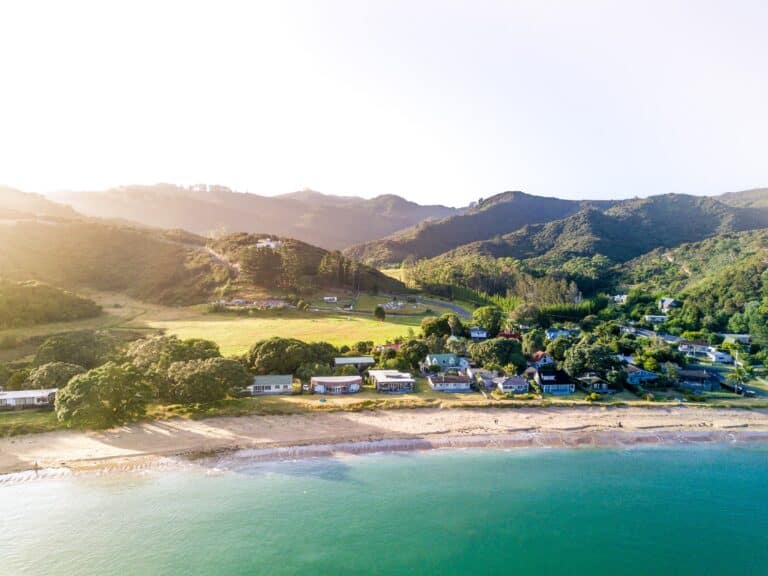
For beach lovers who want warm, humid weather, visit the northern region for a subtropical climate during December through February.
If you want to ski New Zealand’s stunning mountain ranges, head to the southern region during the typical summer months of June, July, and August when it snows the most in New Zealand.
Spring – September to November
Summer – December, January, and February
Autumn – March to May
Winter – June to August
When Does it Snow in New Zealand?
New Zealand receives the most snowfall during June, July, and August. That said, it’s possible for snowfall beyond August and before June.
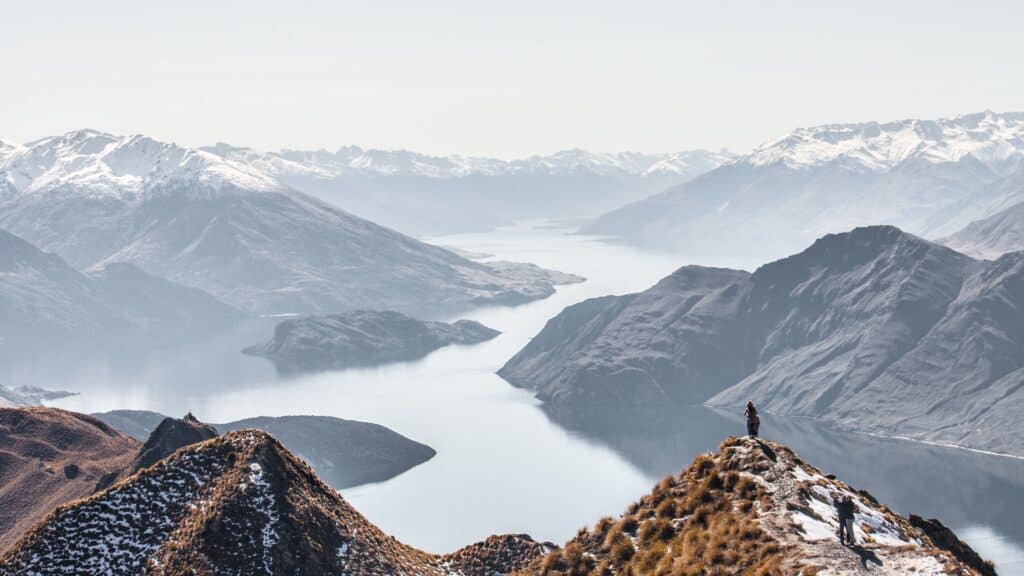
In some areas of New Zealand, like the mountain ranges in the south, snow can be seen year-round at their peaks.
Where in New Zealand Gets Snow?
The snowiest places in New Zealand are the mountain ranges in the Southern Island, which have an alpine climate, where temperatures can get down to minus 53 degrees Fahrenheit (-47°C).
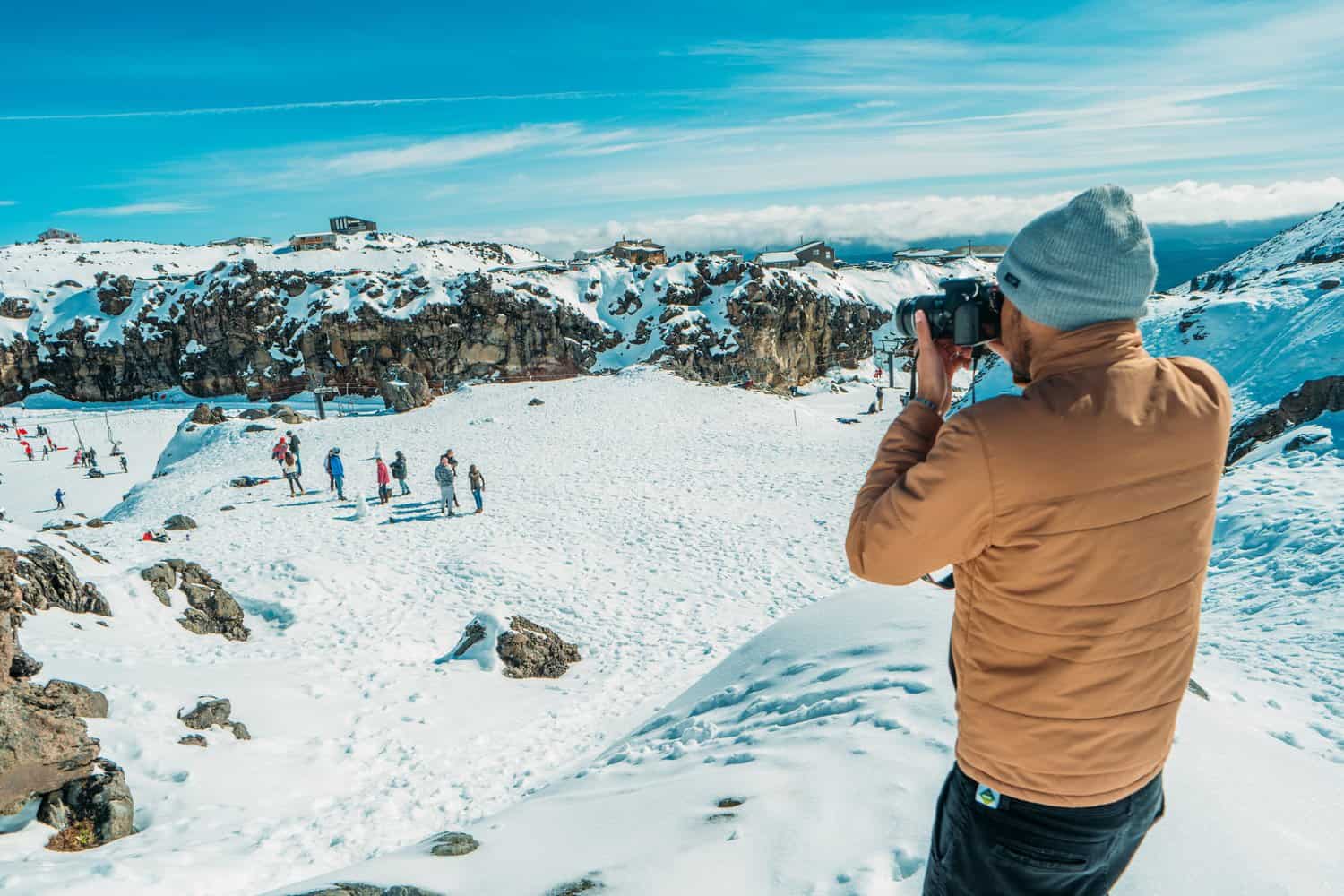
New Zealanders get snow east and south of the South Island, as well as the Central Plateau in the North Island.
However, frost occurs in many areas of New Zealand, including the North Island, with cold nights, little wind, and clear skies.
What Is the Coldest Month in New Zealand?
July is the coldest month in New Zealand.
The coldest month and the coldest place in New Zealand is July in the South Island which can get heavy snowfall with temperatures as low as minus 53 degrees Fahrenheit (-47°C).
What Part of New Zealand Receives the Most Snowfall?
The Central Plateau and the Southern Alps receive the most snowfall.
What are the of Winter Months in New Zealand?
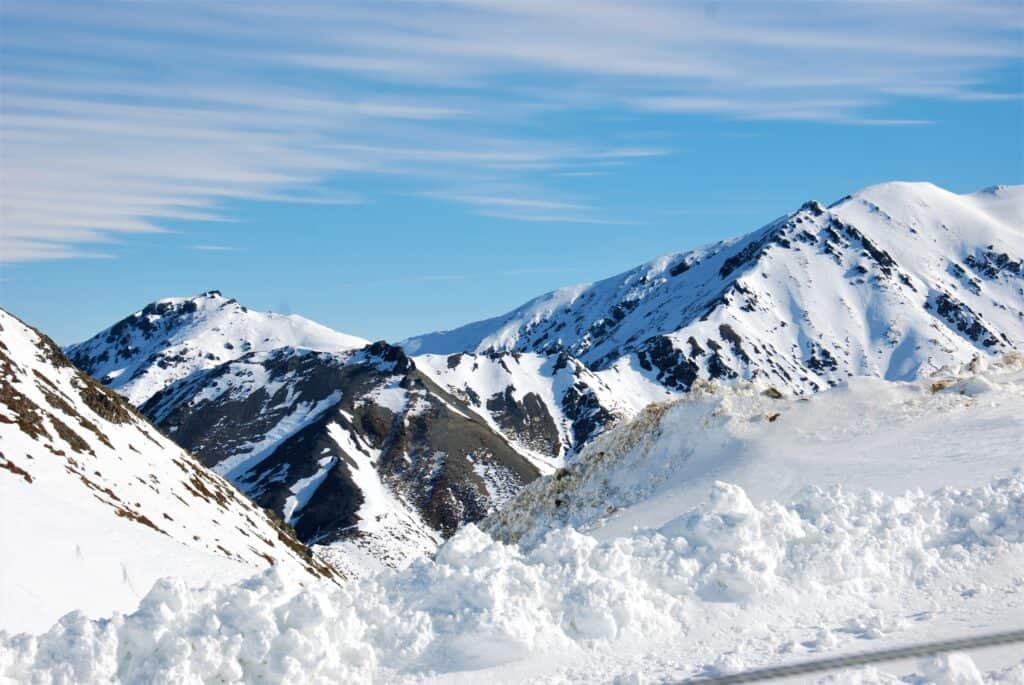
June, July, and August are the winter months in New Zealand. Winter weather in New Zealand takes place during the opposite months of most winters in other countries.
June through August sees the most snow in New Zealand.
What Region Experiences the Least Amount of Snow?
The Coastal Regions in New Zealand experience no snow or a negligible amount.
When is Summer in New Zealand?
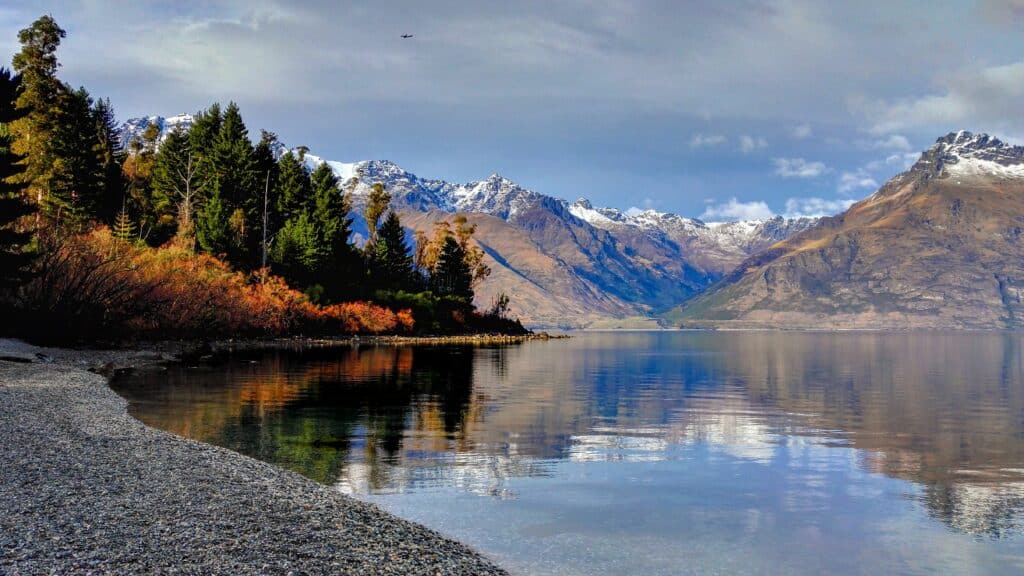
New Zealand’s summer lasts from December to February and can stretch into mid-April.
Summers can be hot in New Zealand but not humid, with temperatures in the range of 69 degrees Fahrenheit to 78 degrees Fahrenheit (21 °C to 25 °C).
December starts the summer with cooler climates in the northern region, which feels more like spring.
January is peak summer in New Zealand and gets the most significant number of tourists. January is also when kids are on holiday from school.
You may want to avoid January if you want your trip to be less crowded.
January brings with it peak tourist season in New Zealand. Locals are also on holiday and children are out of school.
The hottest month in New Zealand is February.
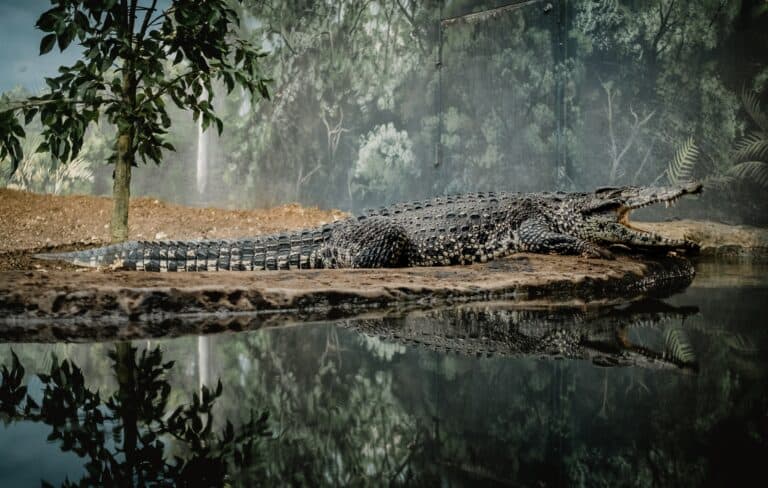
Wondering if you’ll run into any crocodiles in New Zealand? Read all about the dangerous animals you can run into in New Zealand.
When Is the Best Time to Visit New Zealand?
November is a great time to visit New Zealand. November is considered the end of spring, so weather is getting warmer, with fewer tourists to contend with.
What is September like in New Zealand?
September is the first month of spring, and it’s still a bit chilly.
Snow can still be found in the Alpine region of New Zealand. The ski season goes to mid-September.
It’s still too cool to swim in the waters of the northern part of New Zealand, where it’s warmer. And some days the North Island will see rain in September.
Since the sun is getting stronger and making more of an appearance in September, it’s a good time for hiking in parks like Mount Cook and Abel Tasman. Two popular areas for hikers.
What’s Winter Like in New Zealand?
That depends on which part of New Zealand you plan to visit.
If you visit the northern island, the mean yearly maxima temperature ranges between 66-68 degrees Fahrenheit (19°-20°C), and the annual mean minima between 52-54 degrees Fahrenheit (11-12°C).
If you visit the South Island, it will be chilly, where the climate is very different from the North Island.
The two largest cities on the South Island, Christchurch and Dunedin, experience an annual mean maximum between 58-63 degrees Fahrenheit (14-17.3 °C) and a yearly mean minimum between 45.1-45.7 degrees Fahrenheit (7.3-7.6°C).
How Often Does It Snow in New Zealand?
It varies from region to region. New Zealand has a temperate climate, meaning it changes from region to region and season to season.
Snow rarely falls in the coastal areas of the North Island and west of the South Island.
The east and south of the South Island experience some snow in winter. Snow mostly accumulates in the South Island’s mountainous regions and the North Island’s Central Plateau.
Snow in June
The month of June kicks off winter in New Zealand. It snows heavily during this month. On record, the month of June gets 0.5 inches (12.7 ml) of snowfall.
The North Island sees temperatures as low as 39 degrees Fahrenheit (4 °C) and the South Island sees temperatures as low as 33.8 degrees Fahrenheit (1°C).
In June, Queenstown can see snowfall of up to 1.62 inches (41 ml) with an average snowfall of 2.7 days. Queenstown is located in the bottom half of the South Island.
Snow in July
July is the coldest month in New Zealand and therefore gets the most snowfall.
In July, Queenstown can see snowfall of up to 2 inches (51 ml) and a low temperature of 27 degrees Fahrenheit ( -2.4° C).
In the North Island, temperatures have an average low of 32 degrees Fahrenheit (0° C).
Snow in August
August wraps up winter in New Zealand.
The weather is transitioning to Spring; thus, less snow will fall in August than in July, with an average snowfall of 2.4 days for a monthly average of 1.7 inches (45 ml).
Where Is the Best Skiing in New Zealand?
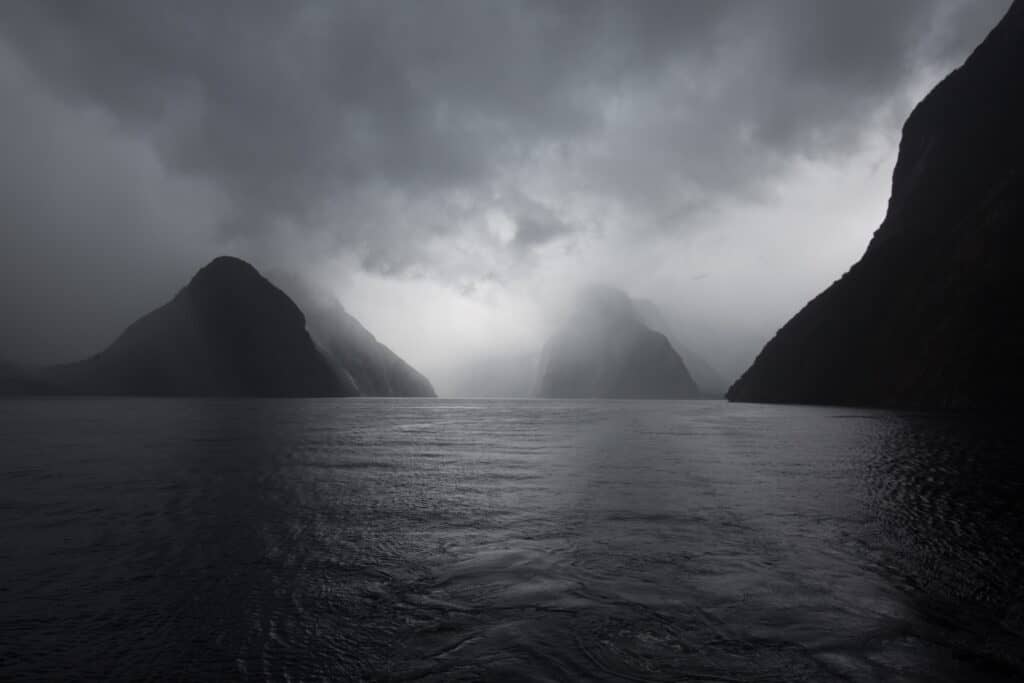
Winter in New Zealand is beautiful and fun if you’re into winter sports like skiing, snowboarding, and winter hiking or if you just want to throw snowballs at your family.
For the best skiing, head to Queenstown and Wanaka on the South Island and the Central Plateau on the North Island.
There is no shortage of places open in June to ski and snowboard. The highest snowfall is usually throughout July and August.
Travel Tip: If you’re planning on renting a car and driving in New Zealand’s snowy areas, drivers are required to carry chains.
Be very careful when driving in snow.
Where Are the Best Places to See Snow in New Zealand?
If snow is what you want to see on your trip to New Zealand, there is no shortage of places for winter activities.
We’ve listed some of the best places to see snow.
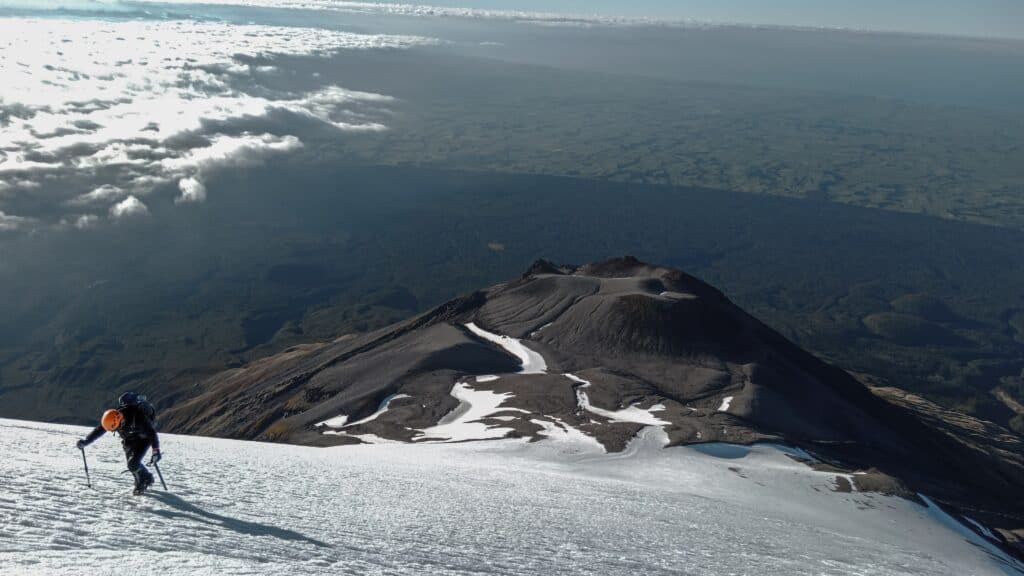
Mt. Taranaki
Mt. Taranaki is blanketed with snow during the winter months and offers panoramic views from its peak.
Trekking and climbing are popular winter sports on this mountain but only for those with experience. You can get an experienced guide to take you hiking on Mt. Taranaki and enjoy the views from its peak.
Lake Tekapo
Lake Tekapo, surrounded by snow-capped mountains, offers ice skating and ice hockey as well as stunning panoramic views of Mt. Cook, Mackenzie Basin, and the lake.
For skiers, Lake Tekapo has two ski areas.
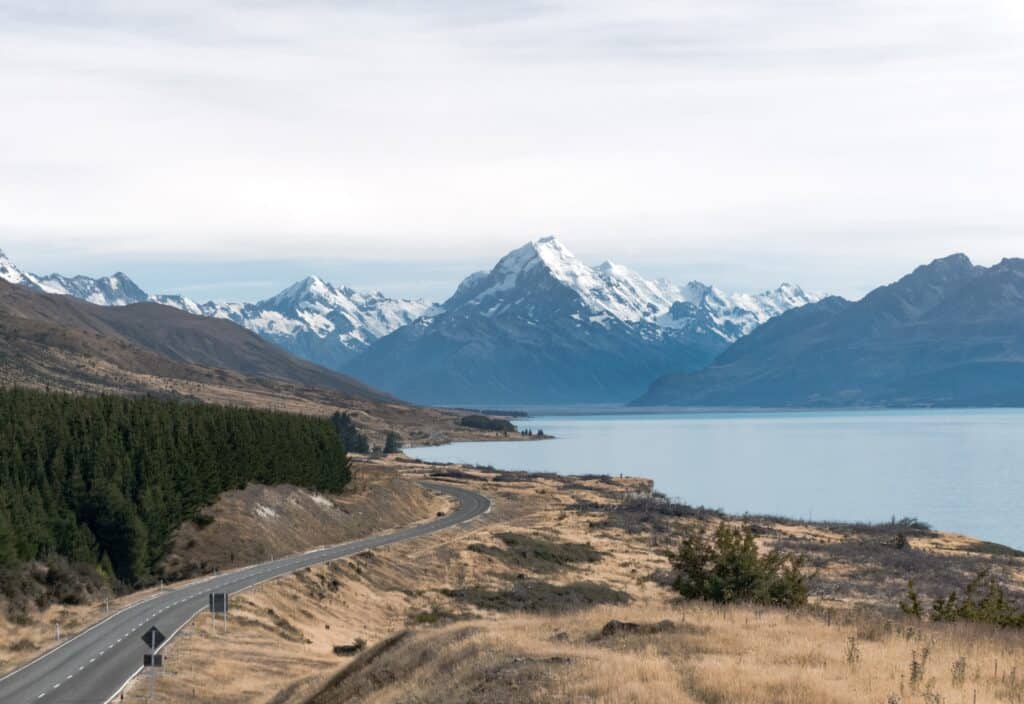
Mount Cook
Mount Cook is the highest mountain in New Zealand and is usually covered with snow at its peak all year round.
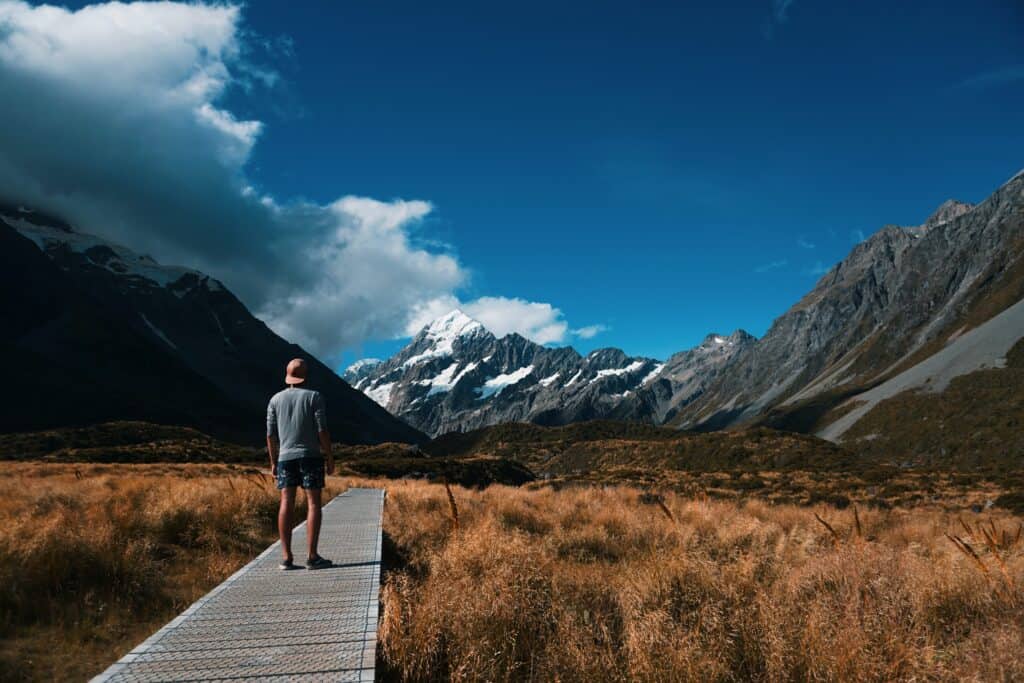
It’s a popular tourist destination for its beauty and many hiking opportunities and summits to climb, Mount Cook is one of New Zealand’s most visited national parks.
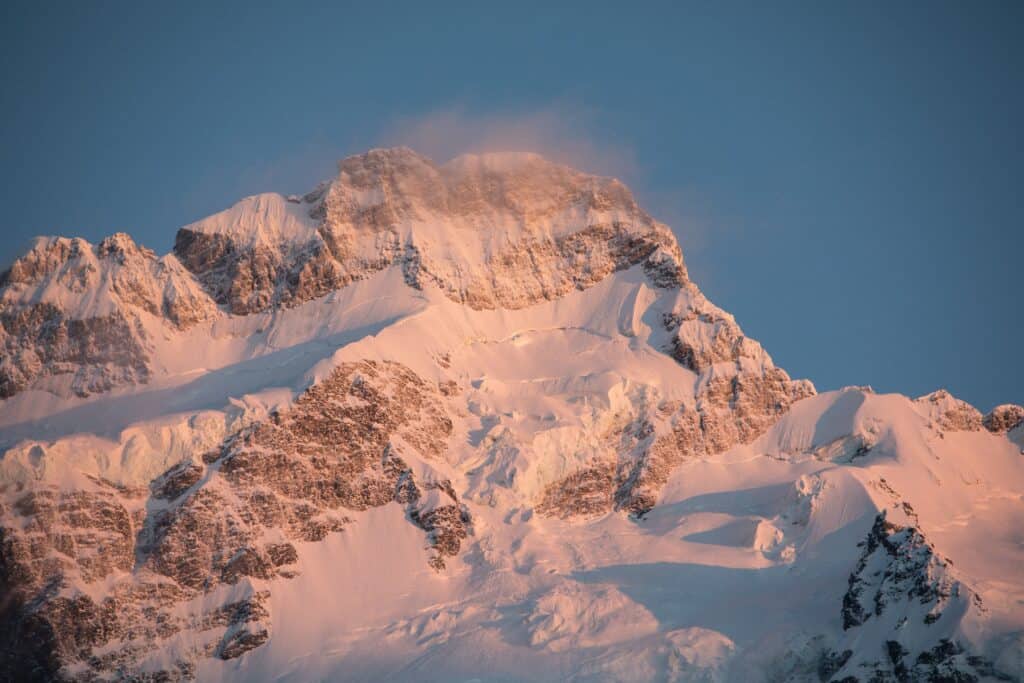
Mount Cook sits in the Southern Alps, the mountain range that runs the length of the South Island, smack dab on its western side.
Home to many hiking trails, the most popular being the Hooker Valley Track. `
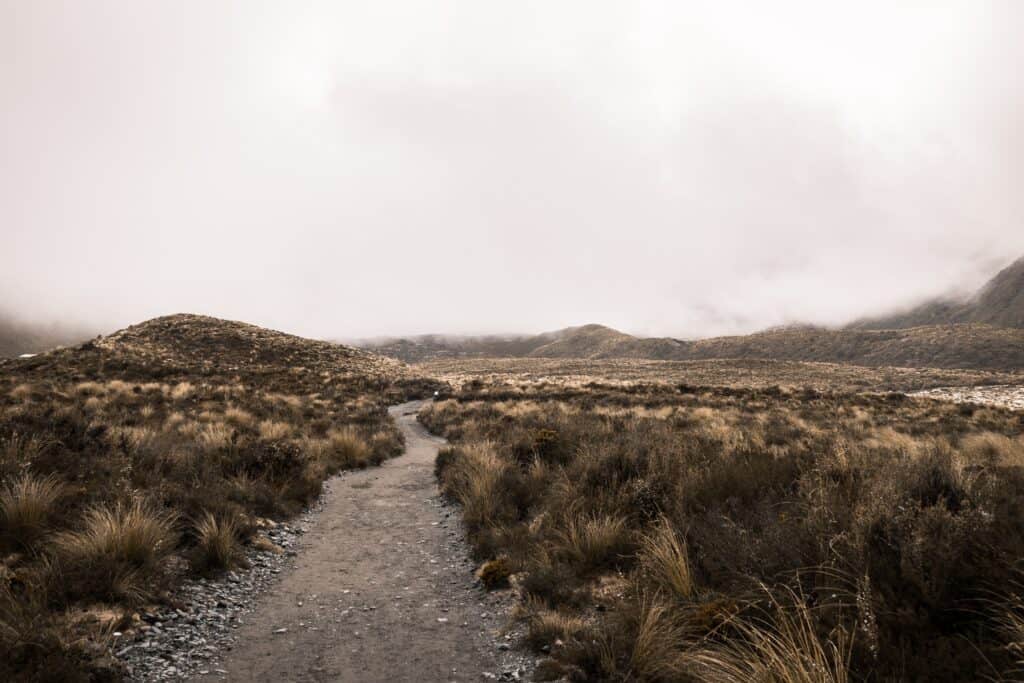
Tongariro Alpine Crossing
The alpine crossing in Tongariro National Park is one of the most popular day hikes in New Zealand. If you love to hike and want to try a winter hike, this is a good one.
At 12.1 miles in length, it takes all day to hike and is covered with snow.
Tongariro National Park is a World Heritage site.
It has the distinction of dual status, as it has been acknowledged for its natural and cultural wonder and importance. It offers stunning views of the snow-capped peaks surrounding the park, adding to the beauty of this area.
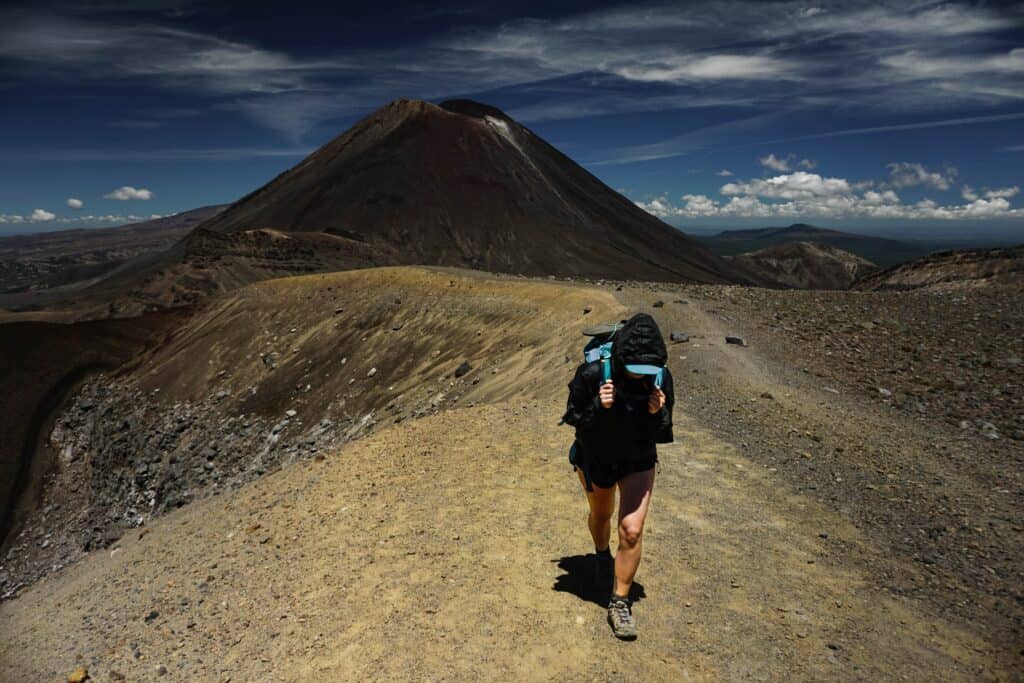
During the winter in New Zealand, there are between 9 and 11 daylight hours. The hike takes about 9 hours, so keep that in mind if you plan on hiking the entire trail.
How Cold Does It Get in New Zealand?
New Zealand’s climate varies greatly. In the alpine region of New Zealand, it can get quite cold – as low as 14 degrees Fahrenheit (-10° C) in winter.
What Is the Coldest City in New Zealand?
The coldest temperature recorded in New Zealand was minus 14 degrees Fahrenheit (-21.6° C) in the city of Ophir, a historic mining town located in New Zealand’s Central Otago Region.
Ophir holds the distinction of being on record as New Zealand’s coldest town. Ophir is located 70 miles (114 km) from Queenstown.
Snow in Queenstown, New Zealand
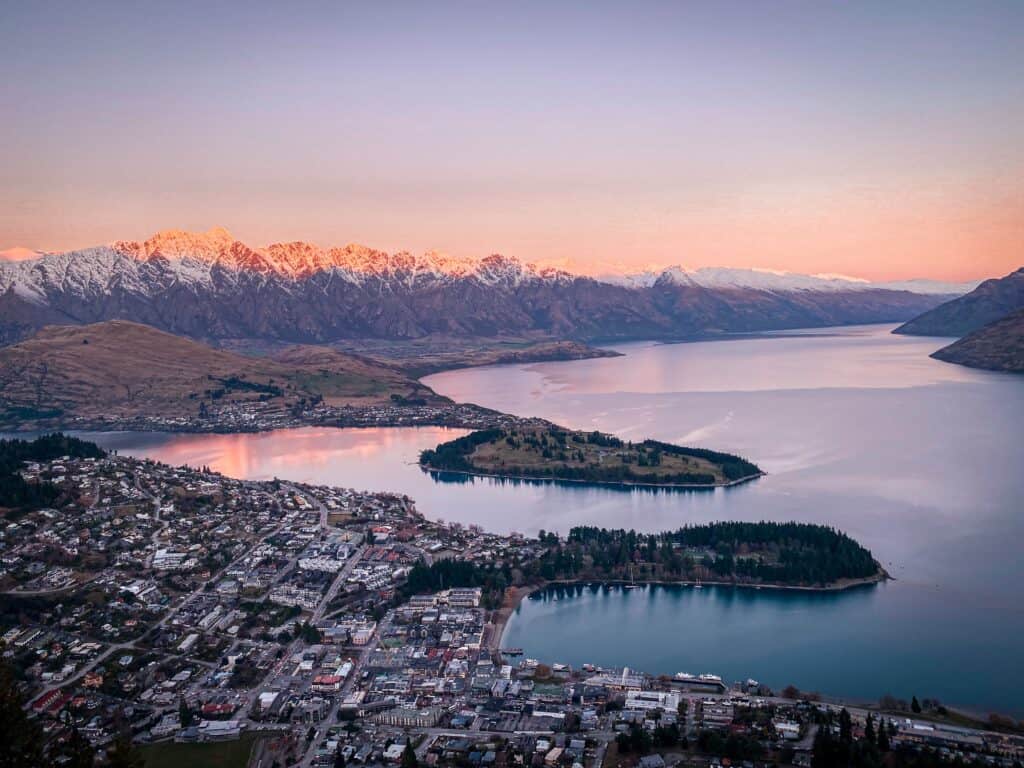
If you want to be in Queenstown when it snows, visiting in October would be your best bet.
In general, though, more snow can be found in the mountains surrounding Queenstown and less in the town itself.
Does It Snow at Christmastime in New Zealand?
No. New Zealand’s winter is in June, July and August. It doesn’t snow during Christmas in New Zealand as it typically does in other countries like France and Spain, where they see snowfall from December through March.
Does It Snow in Auckland?
No, you aren’t likely to see snow in Auckland. It’s only snowed twice in Auckland in the last 80 years.
However, it does get cold.

During the winter season -June, July, and August – the weather in Auckland can range from 35-60 degrees Fahrenheit (1.5 – 15.5° C ).
Auckland sits on the North Island of New Zealand; snow rarely falls there.
The North Island is likely to see rain during this time of year, though it is not as cold as the South Island, which can see a lot of snow.
There is rarely any snow in the coastal areas of the North Island and west of the South Island.
In Sum: Does it Snow in New Zealand?
Yes, but mainly in the southern island of New Zealand, where the intrepid explorer can find skiing, mountain climbing, and hiking in the snow.
It snows in typical summer months, June, July, and August. And not when you most expect it.
New Zealand is a beautiful but small country with unique weather patterns. Make sure you know what you are getting into when you visit New Zealand during the “usual” summer months.